Getting Started
What to Pack for Camping: A Beginner's Checklist
A printable-style beginner camping checklist covering shelter, food, clothing, safety, and the items most first-timers forget.
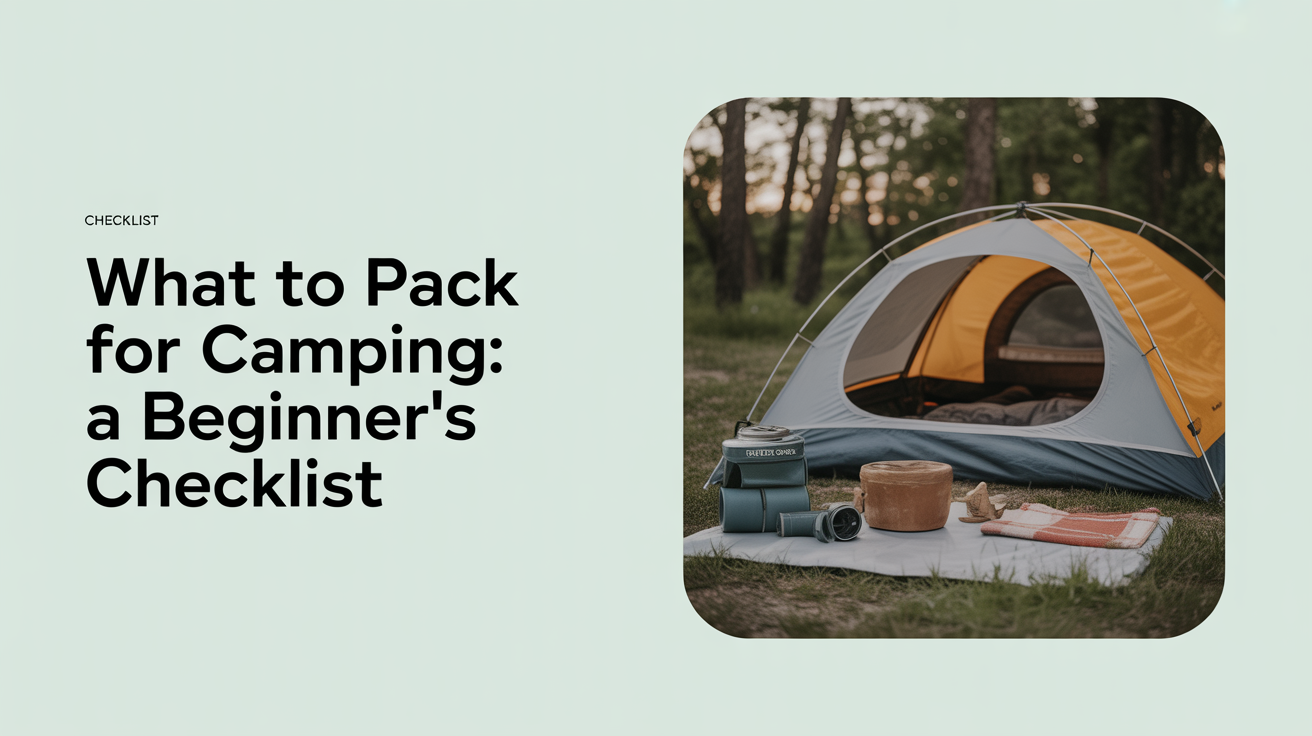
Packing for a first camping trip is the part most people overthink and then still manage to forget something critical. This checklist is designed to fix that. Work through each section before you load the car, and you'll arrive at the campsite with everything you actually need.
For a broader look at how to plan your trip from start to finish, see How to Start Camping: A Complete Beginner's Guide.
Shelter and Sleep
Getting this category wrong ruins the whole trip. A tent that leaks or a sleeping bag rated for 40°F when it drops to 30°F overnight will end your trip early.
What to bring:
- Tent (check that poles and stakes are inside before leaving home)
- Footprint or ground cloth (protects the tent floor, adds insulation)
- Sleeping bag rated for temperatures below what's forecast
- Sleeping pad or air mattress (a sleeping bag alone won't keep you warm on cold ground)
- Pillow (or a stuff sack filled with clothes)
- Mallet or hammer for tent stakes on hard ground
Easy to forget: The rain fly. Many tents ship with the fly packed separately. Pull it out at home so you know it's there. Also: a repair kit with duct tape and spare stakes. One broken pole at 9 p.m. in a campground is not fun.
If you're still deciding between tent styles or camping types, Tent, Cabin, or RV: Types of Camping Explained for Beginners breaks down the tradeoffs.
Kitchen and Food
Campsite cooking does not have to be complicated. Focus on food that's easy to prep, keeps without refrigeration if possible, and produces minimal waste.
Cooking gear:
- Camp stove and fuel canister (confirm the canister fits your stove)
- Lighter and matches (keep both, in separate bags)
- Pot and lid (one medium pot handles most camp meals)
- Pan or skillet if you're cooking eggs or meat
- Cooking utensils: spatula, spoon, tongs
- Plates, bowls, mugs (lightweight; one set per person)
- Forks, spoons, a knife
- Cutting board (a thin flexible one takes up no space)
- Dish soap, scrub sponge, small basin for washing
- Can opener if your menu includes canned food
- Bear canister or hang bag if required at your site (check campground rules)
Food and water:
- Enough food for each meal plus one extra day's worth
- Snacks: trail mix, jerky, granola bars
- Coffee or tea supplies if you need them in the morning
- Water (at least two liters per person per day)
- Water filter or purification tablets if you're relying on a stream or spigot
Easy to forget: Trash bags. Campgrounds require pack-it-in, pack-it-out. Bring at least two heavy-duty bags. Also: a small bottle of hand sanitizer for before meals, and a cooler with actual ice, not just a soft bag.
Clothing
The goal is layers you can add or remove as temperatures swing. Mornings near a lake at 55°F feel very different from the same afternoon at 80°F. Cotton holds moisture and takes forever to dry; avoid it for base layers.
Clothing checklist:
- Moisture-wicking base layer (top and bottom) per night
- Mid-layer fleece or light down jacket
- Rain jacket or waterproof shell
- Comfortable pants and/or shorts
- At least one extra pair of socks per day (pack more than you think)
- Hiking boots or trail shoes that are already broken in
- Camp sandals or shoes to change into at the site
- Hat with a brim for sun
- Wool or fleece beanie for cold nights
- Gloves if you're camping in shoulder seasons
- Swimsuit if there's a lake or pool
Easy to forget: Extra socks. Your feet will get wet or sweaty, and damp socks overnight are genuinely miserable. A dry pair of socks can change your entire mood on day two.
Tools and Safety
This is the category beginners skip because it feels like overkill. It's not.
Tools:
- Headlamp with fresh batteries (a handheld flashlight leaves your hands occupied; a headlamp doesn't)
- Extra batteries or a power bank
- Multi-tool or pocket knife
- Rope or paracord (useful for hanging a tarp, drying clothes, or rigging a clothesline)
- Tarp (backup shelter, ground cover, shade)
- Duct tape (fixes almost anything temporarily)
- Campfire supplies: firewood or charcoal, fire starter, grill grate if your site has a ring but no grate
First aid kit (non-negotiable):
- Adhesive bandages in multiple sizes
- Moleskin for blisters
- Antiseptic wipes and antibiotic ointment
- Pain reliever (ibuprofen, acetaminophen)
- Antihistamine tablets for allergic reactions
- Medical tape and gauze
- Tweezers (for splinters and ticks)
- Any prescription medications you take daily, plus a few extra days' supply
- Emergency whistle
- Written list of any allergies and emergency contacts
Easy to forget: The headlamp is the single most commonly forgotten item on a first trip. Phones work in a pinch, but their batteries don't last, and you'll need both hands when you're setting up camp in the dark. Also: a whistle weighs almost nothing and is the fastest way to signal for help.
For a step-by-step walkthrough of your first night at camp, Your First Camping Trip: A Step-by-Step Plan covers arrival through breakdown.
Personal Care and Toiletries
Campgrounds have bathrooms to varying degrees. Car campgrounds usually have flush toilets and a spigot; backcountry sites have neither. Know what your site offers before you pack.
Personal care:
- Toothbrush and toothpaste
- Biodegradable soap (safe for use near water sources)
- Shampoo if you plan to shower
- Deodorant
- Sunscreen, SPF 30 minimum
- Insect repellent with DEET or picaridin
- Lip balm with SPF
- Toilet paper and a small trowel (required for any site without facilities)
- Hand sanitizer
- Menstrual products if needed
- Prescription glasses or contacts plus solution
- Microfiber towel (dries fast; a regular bath towel takes forever at a campsite)
Easy to forget: Sunscreen, consistently. Also: a small mirror if you wear contacts. And if you take any medication daily, double-check it's in the bag before you leave the driveway.
Frequently Asked Questions
How much water should I bring camping?
A general rule is two liters per person per day for drinking and cooking. If you're hiking actively in heat, plan for more. Most developed campgrounds have potable water on-site, but confirm before you go. If your site draws from a natural source, bring a filter or purification tablets.
Do I need a sleeping pad if I have a good sleeping bag?
Yes. The ground pulls heat away from your body, and a sleeping bag's insulation compresses flat beneath you. A foam or inflatable sleeping pad provides thermal insulation between you and the ground. Without one, you'll sleep cold even in a bag rated well below the overnight temperature.
What food is best for a beginner camping trip?
Start with meals that require minimal prep and cleanup: instant oatmeal, pasta with sauce, canned soup, sandwiches, wraps, and trail mix. Pre-chop any vegetables at home and store them in sealed bags. This reduces time spent at camp and makes it easier to manage food storage.
Is a camp stove required, or can I cook on a campfire?
You can cook on a campfire, but a camp stove is more reliable. Fires require dry wood, aren't always permitted (especially during fire bans), and take longer to heat. A simple canister stove boils water in under four minutes and fits in a jacket pocket. For a first trip, bring both.
What's the one item beginners forget most often?
A headlamp. Phones work as flashlights, but their batteries drain fast and you'll need your hands free when you're setting up camp after sunset or making a 2 a.m. trip to the bathroom. Buy a headlamp before your first trip and put fresh batteries in it before you leave.