Getting Started
Your First Camping Trip: A Step-by-Step Plan
A practical step-by-step plan for your first camping trip: what to book, what to pack, how to set up camp, and how to pack out cleanly.
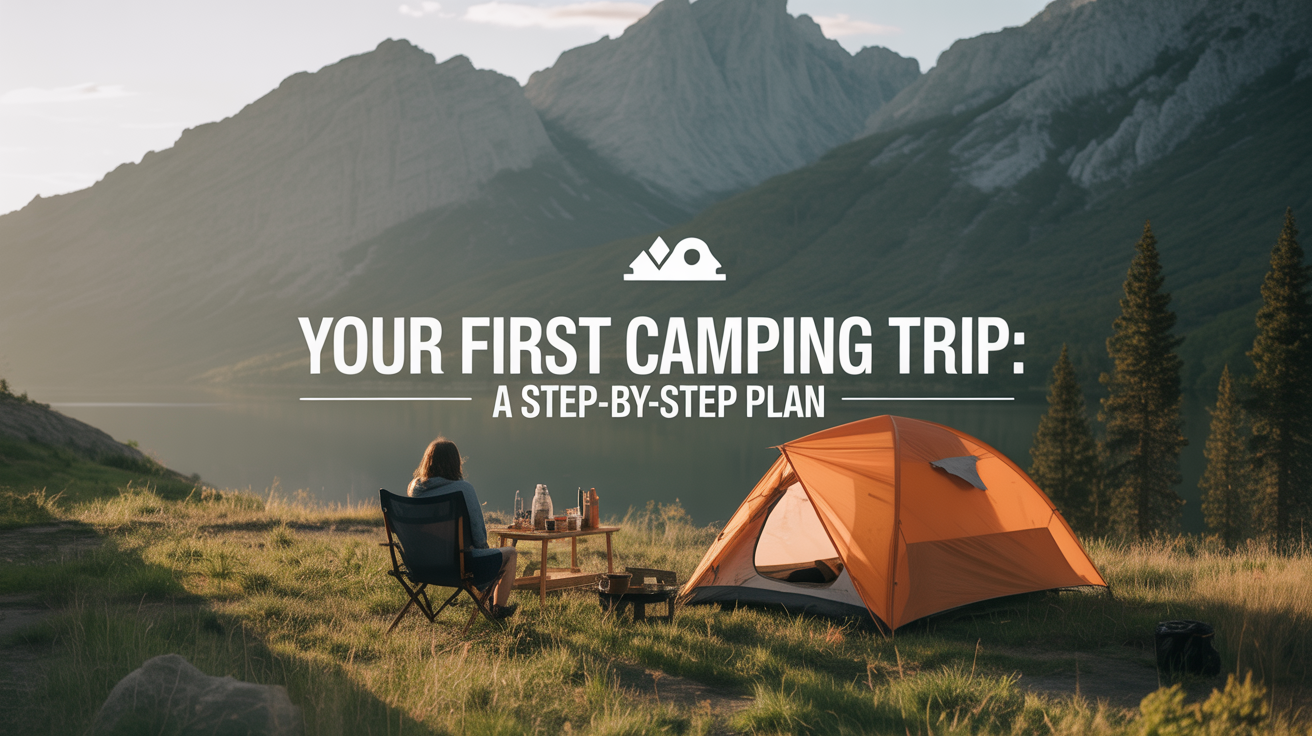
The best first camping trip is a short one at a campground with toilets, running water, and a fire ring. One night, close to home. That's it. Everything else, backcountry permits, bear canisters, multi-day routes, comes later, once you know how your gear actually behaves.
Here's exactly how to plan that first trip, from two weeks out to the morning you drive home.
Two Weeks Out: Book a Site and Test Your Gear
Choose the Right Campground
Pick a state or county park within 90 minutes of home. Look for a "developed" campground: paved or gravel pull-in sites, flush toilets or at least pit toilets, potable water spigots, and a fire ring or grill. Reserve on Recreation.gov, your state's park reservation system, or the campground's own site.
Read how to find and book a campsite before you search. Sites at popular parks fill up weeks ahead on weekends; a Tuesday or Wednesday night often opens slots that are otherwise gone.
One night is the right length. You're not committing to an adventure, you're running a rehearsal.
Gather Your Core Gear
You don't need to buy everything at once. The non-negotiables for a one-night car camp are:
| Item | Notes |
|---|---|
| Tent | Test it in your backyard first |
| Sleeping bag | Rated at least 10°F below the forecast low |
| Sleeping pad | Insulates from the cold ground; don't skip it |
| Headlamp | Hands-free beats a phone flashlight |
| Camp chair | Optional but makes evenings much better |
| Cooler + ice | For perishables; hard-sided keeps ice longer |
| Stove or grill | Camp stove or charcoal; decide which before shopping |
| Lighter and matches | Bring both |
| Rain jacket | Weather changes fast |
| First aid kit | Basic kit from any drugstore works fine |
See how to start camping: a complete beginner's guide for a longer breakdown of gear categories and budget options.
Do a Shakedown at Home
Set up your tent in the backyard or living room before the trip. This catches broken poles, missing stakes, and instructions you've never read. Stuff your sleeping bag into its sack and pull it back out. Run through your headlamp. A problem found at home costs you five minutes; the same problem found at 9 p.m. at the campground costs you sleep.
A Few Days Out: Meals, Weather, and Logistics
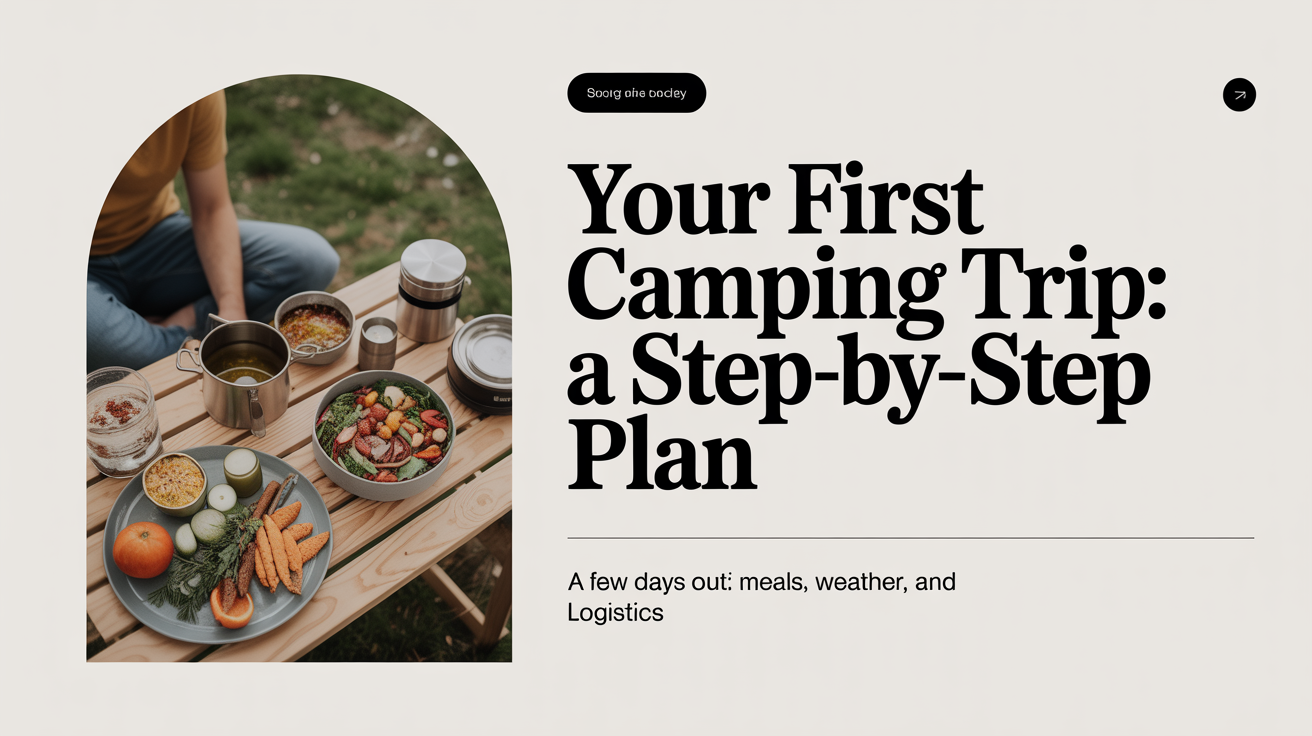
Plan Your Meals
Simple is good. You're not trying to cook a five-course dinner over a camp stove your first time out.
A practical menu for one night:
- Arrival snack: Trail mix, cheese and crackers, fruit, anything that requires zero prep.
- Dinner: Foil packet meals (potatoes, sausage, vegetables wrapped in foil and set on coals), instant ramen with eggs, or hot dogs on sticks. All forgiving and fast to clean up.
- Breakfast: Scrambled eggs and bacon on a camp stove, instant oatmeal, or bagels with peanut butter. Pick the one that matches your ambition.
Pre-chop any vegetables at home. Pre-measure spices into small zip bags. The less you have to do at the campsite, the more you'll enjoy it.
Check the Forecast
Look at the specific campground's weather, not just your city's. Campgrounds in valleys run colder at night; exposed ridgelines get wind. If the forecast low is 45°F and your sleeping bag is rated to 40°F, you'll be fine. If the low is 45°F and your bag is rated to 50°F, bring an extra blanket or wear base layers to bed.
Check for thunderstorm windows, especially afternoon ones. They usually pass quickly, but you want to know before you're trying to start a fire in the rain.
Pack the Night Before
Charge your headlamp. Fill your water bottles. Put everything by the door. A 6 a.m. scramble to find your camp towel is a bad start.
Day Of: Arrive Early, Set Up in Daylight
Get There With Time to Spare
Aim to arrive at least two to three hours before sunset. Setting up a tent you've only assembled once before goes slower than expected, and everything is harder in the dark. Developed campgrounds have clearly marked sites, but you'll still want time to orient yourself, figure out where the bathrooms are, and collect firewood before the light fades.
If your site has a check-in time, respect it. Most developed campgrounds have a gate code or a self-registration envelope if you arrive after the office closes.
Set Up Camp in the Right Order
- Find your site and pull in.
- Unload the tent and sleeping gear first.
- Pitch the tent before anything else, you want a dry place to put things if weather rolls in.
- Set up your kitchen area away from the tent (10 feet or more keeps food smells away from where you sleep).
- Organize your cooler and hang or store food properly per the campground's rules.
- Set out chairs, lantern, and anything else for the evening.
The campground's host (if there is one) can tell you whether fires are allowed, where to get firewood, and any site-specific quirks. They're usually happy to answer questions, ask them.
For more on what kind of campground setup suits your style, tent, cabin, or RV? Types of camping explained for beginners walks through the options.
The Evening and Night
Starting a Fire (If Conditions Allow)
Use campground-sold or locally sourced firewood. Transporting wood from home can spread invasive species, and many parks prohibit it. Build small and add to it rather than stacking a bonfire you can't control.
Tinder (dry leaves, paper, fatwood), then kindling (small sticks), then fuel (split logs). One lighter and patience. Never leave the fire unattended, and drown it completely before bed, stir the ash, add water, stir again until it's cold to the touch.
Sleeping Warmer Than You Expect
A sleeping pad under you matters as much as the sleeping bag over you. Cold ground pulls heat from your body regardless of how warm your bag is. Put on a hat before you decide you're too cold; a significant amount of body heat escapes from your head.
Keep your headlamp inside the tent so you don't have to find it in the dark. Zip the tent door completely before you sleep to keep bugs and morning dew out.
Morning: Pack Out Clean
Breakfast first, then packing. Don't rush the pack-up so much that you forget things on the picnic table.
Walk the site before you leave. Check under the table, around the fire ring, and at the back of the parking spot. Leave it cleaner than you found it, pick up any trash that was there before you. That's the whole ethic.
Douse the fire one more time if you had one overnight. Put ash and coals in the fire ring; pour water until no steam rises.
Frequently Asked Questions
How far from home should my first campground be?
Closer is better. Within 60 to 90 minutes gives you an easy abort option if something goes wrong (weather, missing gear, unexpected discomfort) without making the drive itself the hard part. Once you've done one trip, distance stops being a concern.
Do I need a reservation or can I just show up?
Most developed campgrounds require reservations, especially on weekends from May through September. Walk-up sites exist but are first-come, first-served and often gone by noon on a Friday. Book ahead and confirm your reservation number before you leave home.
What if it rains?
A rain fly pitched correctly keeps the tent interior dry in all but the most extreme downpours. Wear your rain jacket, keep gear in dry bags or sealed plastic bins, and lean into it. Rain at a campground rarely lasts all day. If there's lightning in the area, stay out of open fields and away from tall isolated trees.
Is it safe to sleep in a tent alone?
Yes, at a developed campground. These are high-traffic, managed areas with other campers nearby. Lock your car, store your food properly per the campground rules (bears are not a concern at every campground, but it's good habit anywhere), and keep a headlamp and your phone within reach. Trust your instincts; if a situation feels wrong, leave.
What's the single most common beginner mistake?
Packing too much and forgetting the basics. People bring elaborate kitchen setups and forget a can opener. Write a simple list, check it the night before, and keep meals straightforward. You can always add complexity on the next trip.