Getting Started
Tent, Cabin, or RV? Types of Camping Explained for Beginners
A plain-English guide to tent, cabin, RV, and backcountry camping, so you can pick the right type for your own first trip with confidence.
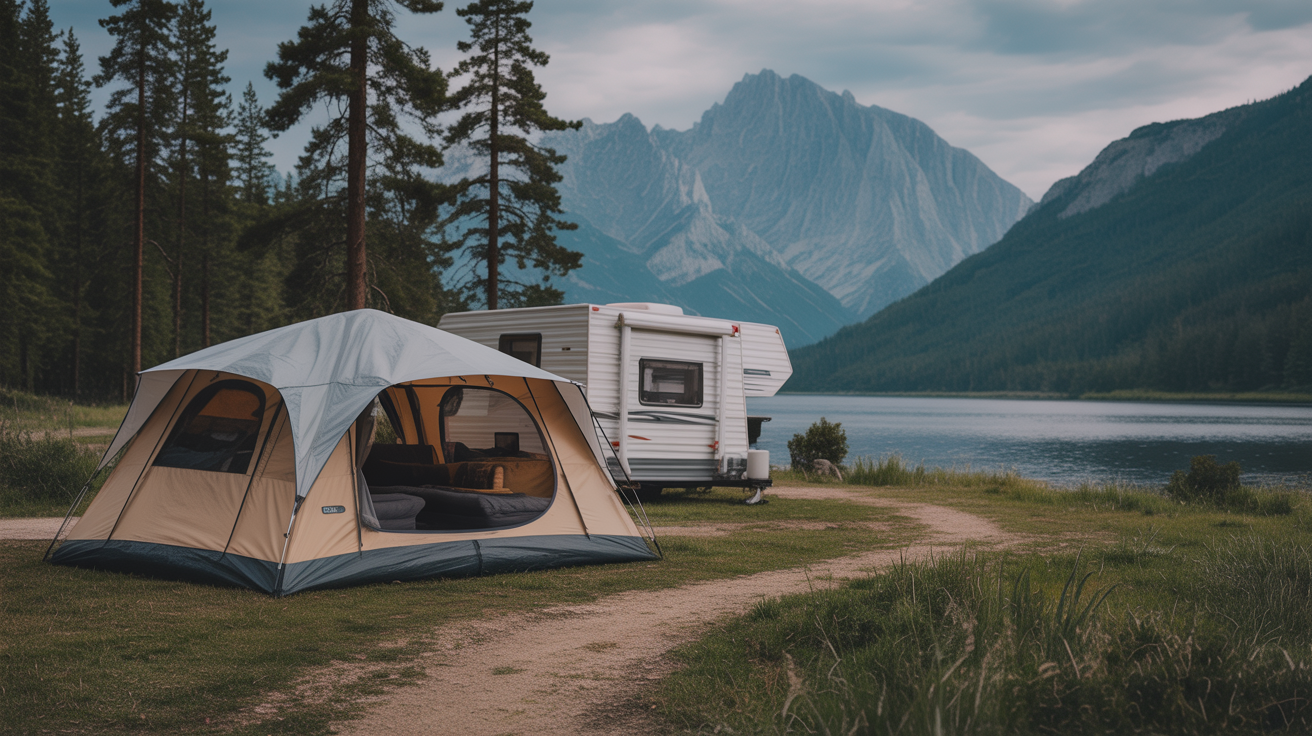
Camping covers a lot of ground. A weekend in a canvas tent at a state park and a week-long solo traverse through the backcountry both count, but they have almost nothing in common. If you're new to camping and trying to figure out where to start, the sheer variety can feel overwhelming before you've even packed a bag.
This guide breaks down the main types of camping, what each one actually requires, and which style is likely the right entry point for you.
Tent Camping and Car Camping
These two styles are often lumped together, and for good reason. Car camping means you drive to a designated campsite and unload your gear right there. Tent camping is the sleeping arrangement. In practice, most beginners start with car camping in a tent, so we'll treat them as one category here.
What it looks like
You reserve a numbered campsite at a campground (state parks, national forests, and private campgrounds like KOA are common options). You pitch a tent, set up a camp kitchen, and sleep outside. The site usually includes a fire ring, a picnic table, and parking for your car a few steps away.
Effort, cost, and comfort
Gear is your biggest upfront cost. A decent tent, sleeping bag, pad, and basic kitchen setup runs $150 to $400 if you buy budget gear, or significantly more for name-brand equipment. Site fees at public campgrounds average $20 to $35 per night.
Physical effort is low. You're not hiking in with the gear on your back. The sleeping situation is the main discomfort: you're on the ground, dependent on your sleeping pad for insulation, and exposed to noise and weather.
Who it suits
Car camping in a tent is the right on-ramp for most beginners. The barrier is manageable, the learning curve is real but forgiving, and nothing commits you to a style before you know what you actually like. If you want to ease into camping with the least gear investment, read our complete beginner's guide first.
Cabin Camping and Glamping
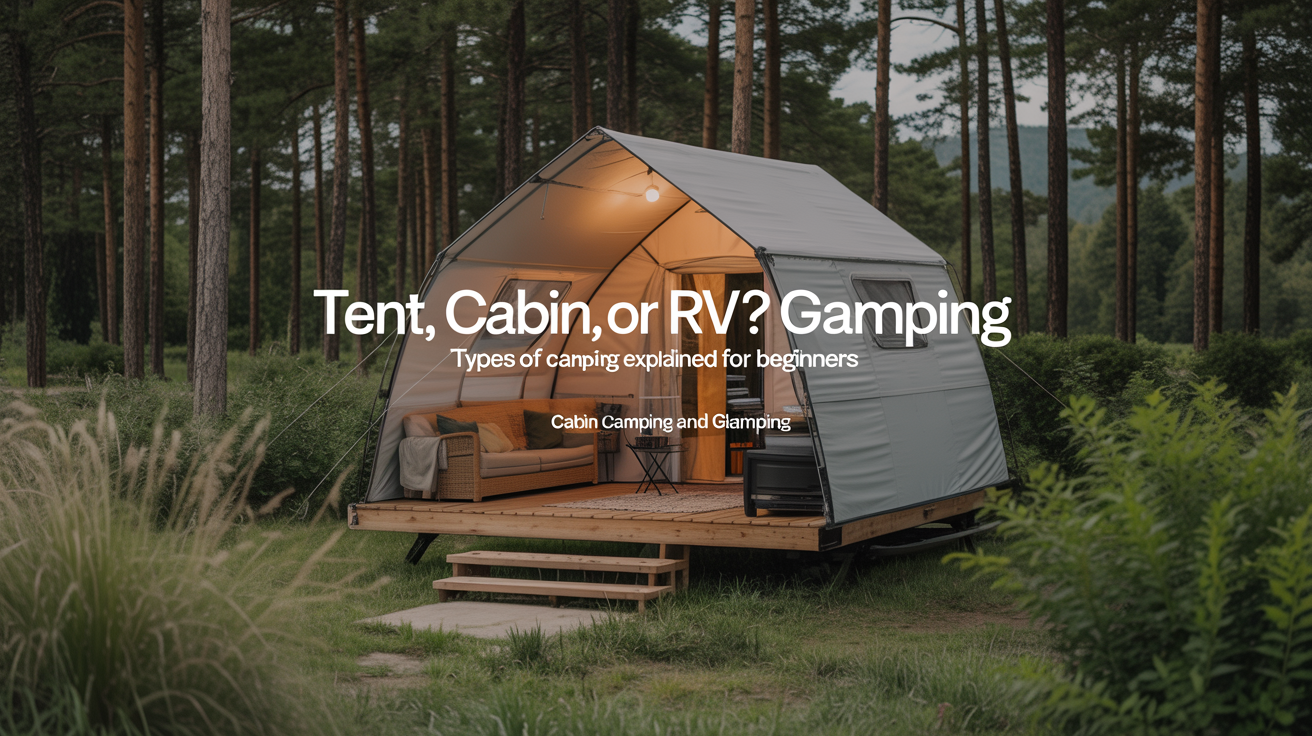
Cabins and glamping sites exist to lower the barrier for people who want the outdoor experience without sleeping on the ground.
What it looks like
Cabin camping means renting a small structure at a campground or resort. These range from bare-bones wood cabins with cots and no electricity to fully furnished "glamping" setups with real beds, climate control, and private bathrooms. Glamping specifically targets comfort: think canvas bell tents on platforms, airstream trailers, or geodesic domes in scenic locations.
Effort, cost, and comfort
You bring very little gear. A sleeping bag and pillow are usually enough for a basic cabin; glamping sites often supply linens. The comfort level is close to hotel camping.
Cost is higher. Basic cabins run $50 to $100 per night. Glamping accommodations often start at $150 and can reach $400 or more per night at popular destinations.
Who it suits
Cabin camping is ideal for families with young kids, couples trying camping for the first time, or anyone who genuinely dislikes sleeping on the ground but still wants campfire evenings and outdoor mornings. The experience is real; the floor plan is just more forgiving.
RV Camping
RV camping means bringing your accommodation with you. That can mean a Class A motorhome the size of a bus, a small Class B campervan, a towable travel trailer, or a truck camper sitting in a pickup bed.
What it looks like
You park at an RV site (full hookups means water, electric, and sewer connections at the pad). You sleep inside the vehicle, cook in its kitchen, and use its bathroom. Some RV campers travel full-time; others pull out a trailer for summer weekends.
Effort, cost, and comfort
Comfort is high. A good RV has a real bed, heat, air conditioning, a refrigerator, and a shower. The tradeoff is cost and logistics. Buying an RV is a large purchase; renting through platforms like Outdoorsy or RVshare costs $100 to $250 per night before site fees. Driving and maneuvering a large vehicle, dealing with gray water, and understanding hookups all add a learning curve most beginners don't anticipate.
Who it suits
RV camping makes the most sense for people who already know they want to travel frequently over a long season, families who camp 10+ nights a year, or older campers who want to avoid sleeping on the ground without giving up flexibility. Renting before buying is strongly recommended.
Backcountry Camping and Backpacking
Backcountry camping means leaving the car (and the campground) behind. You carry everything in a pack and camp in the wilderness, often at sites with no facilities at all.
What it looks like
Backpacking is the most common form: you hike a trail, carry a lightweight tent, sleeping system, food, water treatment gear, and a first-aid kit, and camp wherever the rules allow. Some backcountry campers use canoes or kayaks to reach remote lakes. Others ride horses. The common thread is distance from a trailhead and self-sufficiency.
Effort, cost, and comfort
This is the highest-effort category. You need to be reasonably fit, understand navigation and Leave No Trace principles, know how to manage water and waste, and carry gear that weighs 15 to 35 pounds depending on experience and conditions.
Gear costs are meaningful: ultralight backpacking kits run $500 to $1,500 for a solid beginner setup. Permit fees at popular wilderness areas have increased in recent years, but many backcountry areas are still free or low-cost.
Comfort is minimal in the traditional sense, though many backpackers find that remote wilderness access is its own reward.
Who it suits
Backcountry camping is not the right first step for most beginners. Get comfortable with tent camping first, then layer in day hiking before trying an overnight in the backcountry. The skills and gear are specific, and making mistakes in a remote area has real consequences.
Quick Comparison
| Camping Type | Comfort | Typical Cost | Effort | Good For |
|---|---|---|---|---|
| Car/Tent Camping | Low–Medium | $20–$50/night + gear | Low | First-timers, budget campers |
| Cabin Camping | Medium–High | $50–$100/night | Very Low | Families, gear-averse beginners |
| Glamping | High | $150–$400+/night | Minimal | Special occasions, comfort seekers |
| RV Camping | High | $100–$250/night rental | Medium (logistics) | Frequent travelers, families |
| Backcountry | Low | Low–Medium | High | Fit hikers with tent experience |
Choosing Your Starting Point
Most people should start with car camping at a developed campground. It's cheap to try, forgiving if things go sideways, and gives you real information about what you actually like before you invest in expensive gear or commit to a style.
If sleeping on the ground sounds like a dealbreaker, book a basic cabin. If you want to understand what a full weekend of camping involves before your first real trip, the step-by-step first trip plan is worth reading. And once you know you want to go, finding and booking a campsite is the next practical step.
Whichever style you choose, starting small is always the right move. A one-night trip 90 minutes from home tells you more than any amount of research.
Frequently Asked Questions
What type of camping is best for a first-timer?
Car camping at a developed campground is the most practical starting point. You're close to your vehicle if you forget something, most campgrounds have bathrooms, and the commitment is low. One night is enough to know whether you want to go back.
Is cabin camping considered "real" camping?
Yes. You're still sleeping outside the walls of your home, dealing with weather, and participating in outdoor life. Cabins lower the barrier; they don't eliminate the experience. There's no rule that says camping has to be uncomfortable to count.
How much does it cost to start tent camping?
A functional beginner setup (tent, sleeping bag, sleeping pad, and a few kitchen basics) costs roughly $150 to $300 if you stick to budget brands like Coleman or Kelty. You don't need expensive gear for a weekend at a campground.
What's the difference between glamping and regular camping?
Glamping specifically emphasizes comfort and aesthetics, often in designed accommodations like canvas bell tents, safari tents, or renovated vintage trailers. Regular camping (tent or cabin) is more utilitarian. The line is blurry, but "glamping" usually means someone else set it up and the experience is priced accordingly.
Do I need a permit to go camping?
It depends on where you camp. Most developed campgrounds require a reservation, not a permit. Backcountry and wilderness areas often require a separate permit, and popular spots (like some Yosemite backcountry zones) have limited permits that sell out months in advance. Check the land management agency's website for the specific area you're targeting.