Camp Cooking
What Food to Bring Camping (and How to Plan Meals)
Build a practical camping food list for any trip length. Covers meal planning, food storage, what packs well, and beginner-friendly meal ideas.
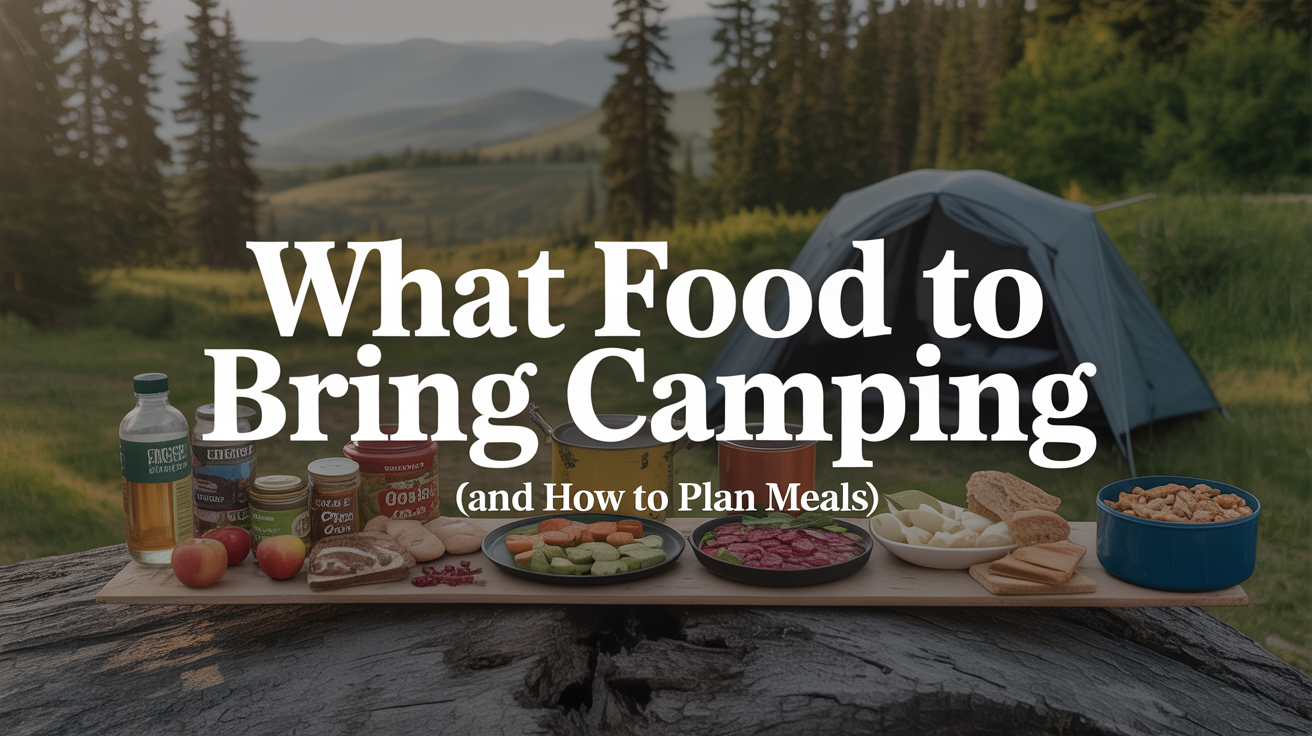
The short answer: bring food that doesn't need refrigeration, cooks fast, and won't make a mess. Beyond that, the best camping food list depends on how many nights you're out, how you're cooking, and how much weight you can carry. Here's how to think through all of it.
Start with a Meal Plan, Not a Shopping List
Buying food before you have a plan leads to either too much or not enough. Start simple:
- Write down every meal you need: breakfasts, lunches, dinners, and snacks for each day.
- Add one extra day's worth of food as a buffer (weather delays, later departures, just being hungry).
- Figure out how you're cooking before you pick recipes. A car camper can bring a two-burner stove and a cooler. A backpacker needs ultralight, no-cook, or one-pot meals.
A rough target for most adults is 1.5 to 2 pounds of food per person per day on a car camping trip, a bit less if you're mostly snacking and a bit more if you're doing heavy physical activity.
For actual cooking methods, check out our beginner's guide to cooking while camping before you settle on recipes.
What Food to Bring Camping: A Category Breakdown
These are the categories that hold up well outdoors.
Shelf-stable proteins
- Canned tuna, salmon, or chicken (pull-tab cans are easier)
- Hard salami or shelf-stable pepperoni
- Nut butter packets (single-serve, no jar to deal with)
- Lentils or canned beans
Carbs and grains
- Instant oats (add boiling water, done in three minutes)
- Pasta, rice, or couscous (couscous cooks fastest)
- Tortillas (pack flat, last longer than bread, work for every meal)
- Crackers or rice cakes
Snacks
- Trail mix or mixed nuts
- Jerky (beef, turkey, or plant-based)
- Bars with real ingredients (look at the protein and fat content, not just calories)
- Dried fruit
Breakfast specifics
- Instant coffee or tea bags
- Powdered oat milk or creamer (if you use it)
- Pancake mix that just needs water
Fresh food (short trips only)
- Eggs are sturdier than most people expect; carry them in a hard container
- Hard vegetables like carrots, broccoli, and bell peppers last 2-3 days unrefrigerated in cool weather
- Pre-cut fruit for the first day
Condiments
- Small packets of hot sauce, soy sauce, olive oil, and salt make plain camp food worth eating
Cooler vs. No Cooler
On a car camping trip with a cooler, you can bring meat, dairy, and produce for the first couple of days. A few things that help:
- Pack the cooler the night before and start with it cold, not room temperature
- Keep raw meat at the bottom in a sealed bag so it doesn't drip on other food
- Use block ice rather than cubed; it melts slower
- Put items you grab often near the top to reduce how long the lid stays open
If you're not using a cooler (backpacking, or minimalist car camping), build your whole menu around shelf-stable food. This is actually simpler than it sounds: oatmeal in the morning, tortillas with nut butter and jerky at lunch, pasta with olive oil and tuna at dinner. Repetition is fine on short trips.
Easy Meals to Build Around
You don't need recipes as much as you need a reliable structure. Here are a few:
One-pot pasta: Boil water, cook pasta, drain most of the water, stir in olive oil, garlic powder, salt, canned tuna or chicken, and any vegetables that cook fast (sun-dried tomatoes from a packet work well).
Scrambled eggs and tortillas: Cook eggs over a camp stove, stuff into a tortilla with hot sauce. Takes under 10 minutes.
Instant oatmeal plus: Add nuts, dried fruit, and a bit of brown sugar to a packet of instant oats. More filling than the packet alone.
Quesadillas: Tortilla, hard cheese (cheddar or pepper jack hold up well), salami. Heat in a pan until crispy. No plates needed if you eat them out of hand.
For more structured meal ideas with step-by-step instructions, easy camping meals for beginners covers a full week of options.
Food Storage and Leave No Trace
How you store food matters for safety (yours and wildlife's). The general rules:
- Never leave food unattended outside, even briefly
- Store food in a hard-sided cooler, a car, or a bear canister depending on where you're camping; check the regulations for your specific area before you go
- Keep food smells out of your tent; this means no snacks in the sleeping bag
- Pack out every scrap of food waste, including fruit peels, shells, and cooking scraps; these don't decompose fast outdoors and attract animals
Campfire cooking is a separate skill but worth learning early. If you want to try it, how to cook over a campfire covers the basics without assuming you've done it before.
Sample Two-Night Camping Food List (Two People)
| Meal | Food |
|---|---|
| Day 1 Lunch (on the road) | Sandwiches from home |
| Day 1 Dinner | Pasta + canned tuna + olive oil + garlic powder |
| Day 2 Breakfast | Instant oatmeal + nuts + dried fruit, coffee |
| Day 2 Lunch | Tortillas + nut butter + jerky + carrot sticks |
| Day 2 Dinner | Quesadillas + canned beans |
| Day 3 Breakfast | Scrambled eggs + tortillas |
| Snacks (2 days) | Trail mix, bars, hard salami, crackers |
| Buffer | Extra packet of oats, extra tortillas, extra bar each |
This covers roughly 6-7 pounds of food total, manageable in one bag alongside the cooler.
Frequently Asked Questions
How much food should I bring camping per day? Plan for 1.5 to 2 pounds of food per person per day on a typical car camping trip. If you're doing strenuous hiking or backpacking, push toward 2 to 2.5 pounds since calorie needs go up significantly with sustained physical effort.
What food is best for camping without a cooler? Instant oats, nut butters, tortillas, hard cheese (parmesan and aged cheddar hold up best), shelf-stable sausages, canned fish, pasta, couscous, and trail mix. All of these work fine without refrigeration for several days in moderate temperatures.
Can I bring fresh meat camping? Yes, on car camping trips with a good cooler. Keep it at the bottom, use block ice, and plan to cook it on the first or second night while it's still cold. Don't rely on fresh meat past the 48-hour mark without ice replenishment.
How do I keep food safe from bears and wildlife? Research the specific rules for your campsite before you go; some areas require bear canisters, others have bear boxes at the site. At minimum, never leave food out, store it in a hard-sided container or your car, and don't bring anything scented into your tent.
What's the easiest camping food for beginners? Tortillas, nut butter, hard salami, instant oatmeal, trail mix, and canned fish. These require no cooking beyond maybe boiling water and have almost no cleanup. Start here for your first trip and add more variety as you get comfortable with camp cooking.