Getting Started
How to Plan a Weekend Camping Trip
Learn how to plan a camping trip step by step: pick a campground, make reservations, pack smart, plan meals, and check weather before you go.
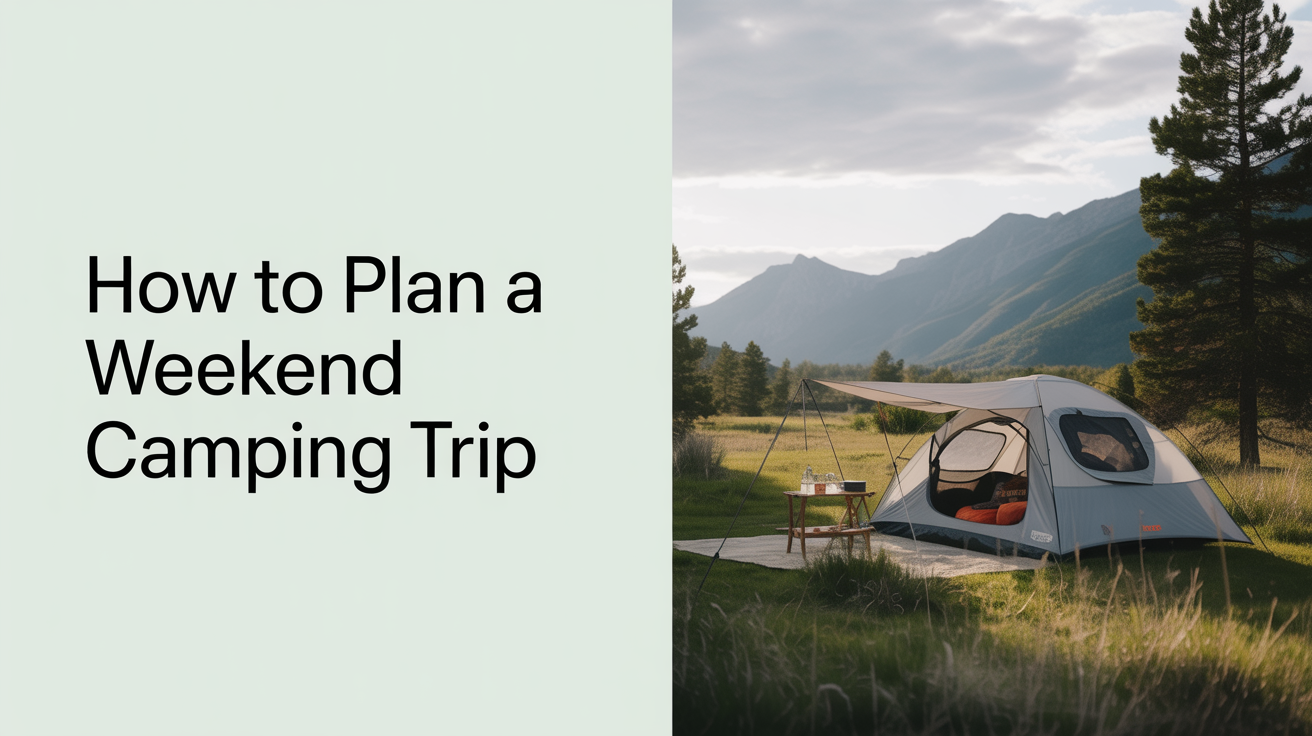
Planning a weekend camping trip does not require weeks of preparation or a trunk full of gear. Most first-timers are ready to go after a few hours of research, a single online reservation, and a couple of afternoons gathering supplies. Here is a straightforward approach to camping trip planning that keeps things manageable from the start.
If you want broader context before diving in, our complete beginner's guide to camping covers the full picture, and a step-by-step plan for your first trip walks through decisions you will face once you arrive.
Pick Your Dates and Choose a Campground
Start here. Everything else depends on where you are going and when.
Dates: Aim for a Friday-to-Sunday trip so you have two nights to settle in without rushing. Avoid major holidays for your first trip as campgrounds fill fast and crowds make quiet practice harder. Shoulder season (late spring or early fall in most regions) tends to offer better availability, milder temperatures, and fewer bugs.
Campground type: If this is your first time, a developed campground with toilets, a water spigot, and a fire ring is a better starting point than a backcountry site. You can focus on the experience without managing extra logistics. Comparing tent, cabin, and RV options can help you decide what kind of setup fits your situation.
How to find a site: For US federal lands, Recreation.gov handles most national forests and parks. State parks run their own reservation systems. Search for campgrounds within two to three hours of home so travel does not eat into your weekend.
What to look for in a listing:
- Shade and site size (important for comfort and tent pitching)
- Distance from the bathroom (closer is often better for beginners)
- Cell service or lack of it (set expectations before you go)
- Pet policies, quiet hours, fire restrictions
Make Your Reservation
Book as early as the reservation window allows. Popular sites at national parks open six months out and fill the same day. State park sites often open a few weeks to a month ahead and are easier to snag on short notice.
When you book, note:
- Your check-in and check-out times
- Whether firewood is available on-site or you need to bring it
- Any vehicle or tent size limits
- The cancellation policy
Print your confirmation or save a screenshot. Cell service at campgrounds is unreliable.
Build Your Packing List
You do not need to buy everything at once. Start with what you already have, rent what you can, and purchase only the true essentials.
Shelter and sleep:
- Tent (check that stakes and poles are included)
- Sleeping bag rated to the expected low temperature
- Sleeping pad (ground is colder than the air)
Cooking and water:
- Camp stove and fuel canister, or plan to cook on the fire
- Pot, pan, utensils, bowl, and a mug
- Water bottles or a hydration reservoir
- Water filter or purification tablets if the site has no treated tap water
- Cooler with ice for perishables
Clothing:
- Layers, including a fleece or insulating mid-layer
- A rain jacket regardless of the forecast
- Closed-toe shoes or hiking boots for walking around camp
- Warm hat and gloves if nights will be cold
Camp essentials:
- Headlamp and extra batteries
- First aid kit
- Trash bags (Leave No Trace: pack out everything you pack in)
- Sunscreen and insect repellent
- Fire-starting kit (lighter plus backup matches in a waterproof bag)
- Camp chairs or a ground cloth for sitting
Documents and navigation:
- Campground confirmation
- Paper map of the area (do not rely on your phone)
- Emergency contacts written down, not just stored in your phone
Plan Your Meals
Meal planning removes one of the biggest sources of camp stress. You do not need elaborate recipes. The goal is food that is easy to prep, travels well, and gives you energy.
A simple weekend framework:
| Meal | Friday | Saturday | Sunday |
|---|---|---|---|
| Breakfast | Travel snacks | Oatmeal or eggs | Bagels and peanut butter |
| Lunch | Sandwiches (packed at home) | Wraps or crackers and cheese | Eat on the drive home |
| Dinner | Foil packet meal or hot dogs | Pasta or soup | Simple stir-fry or leftovers |
| Snacks | Trail mix, granola bars | Same | Same |
Prep as much as possible at home: chop vegetables, pre-measure spices, and marinate proteins before you leave. Keep raw meat in a sealed bag at the bottom of the cooler.
Check fire restrictions for your campground before you go. Some areas ban campfires during dry seasons, which means your stove becomes your only cooking option.
Check the Weather and Know Your Backup Plan
Look at the forecast for your campground location, not just your city. Weather changes fast in higher elevations and near water. Check the night before and again the morning you leave.
What to watch for:
- Temperature lows: Your sleeping bag rating is your floor. If the forecast dips below it, add a layer inside your bag.
- Rain: A rain fly on your tent and a tarp you can string up over your cooking area handle most situations.
- Wind: High-wind warnings matter more at exposed sites. A tent pitched perpendicular to the wind catches less force.
- Thunderstorms: If severe storms are forecast, consider rescheduling. Getting rained on is manageable; lightning in an exposed area is not.
Have a loose backup plan. Know the name of a nearby campground or a motel in case your site is flooded or a road closes.
Your Planning Timeline
Use this checklist to spread tasks across the two weeks before your trip:
| When | Task |
|---|---|
| 2 weeks out | Choose dates, search campgrounds, make reservation |
| 2 weeks out | Start packing list, identify what you need to borrow or buy |
| 1 week out | Shop for gear and groceries; buy perishables day-of or day-before |
| 1 week out | Confirm reservation, save or print confirmation |
| 2-3 days out | Check extended forecast; adjust clothing layers |
| Day before | Pack the car, prep meals, charge devices and headlamps |
| Morning of | Final weather check, fill water bottles, tell someone your destination and return date |
Telling someone your plans is not overly cautious. It is basic outdoor practice. Leave a note with your campground name, site number, and expected return.
Frequently Asked Questions
How far in advance should I book a campsite? It depends on the campground. Popular national park sites open six months ahead and fill the same morning. Many state parks open 30 to 60 days out and are easier to book. For your first trip, pick a less-famous campground so reservation pressure is lower.
Do I need a lot of expensive gear before my first trip? No. A tent, sleeping bag, sleeping pad, and basic cooking setup are the real essentials. Many outdoor gear shops and some parks rent tents and sleep kits. Borrow from friends for a first trip rather than buying everything at once.
What should I do if it rains the whole weekend? Plan for it rather than dreading it. A solid rain fly, a tarp rigged over your cooking space, dry clothes in a sealed bag, and a good book go a long way. Short rain spells are part of camping. If severe weather is forecast, it is always okay to postpone.
How do I handle food safety at a campground? Keep raw meat sealed and at the bottom of your cooler beneath the ice. Store all food in your car (not your tent) when not in use, especially in bear-active areas. Follow any posted food storage rules at your campground. Wash hands before handling food, especially if your only water source is a spigot some distance from your site.
What is Leave No Trace, and do I really need to follow it? Leave No Trace is a set of principles for minimizing your impact on natural areas. At a developed campground, the basics are: pack out all trash (including food scraps), stay on designated paths, leave rocks and plants where you found them, and keep noise down. Following these habits keeps campgrounds in good shape for everyone, including you on your next trip.