Camp Cooking
How to Handle Water and Dishes at Camp
Learn the three-basin dishwashing method, how much water to bring camping, and Leave No Trace rules for cleaning up at a campsite.
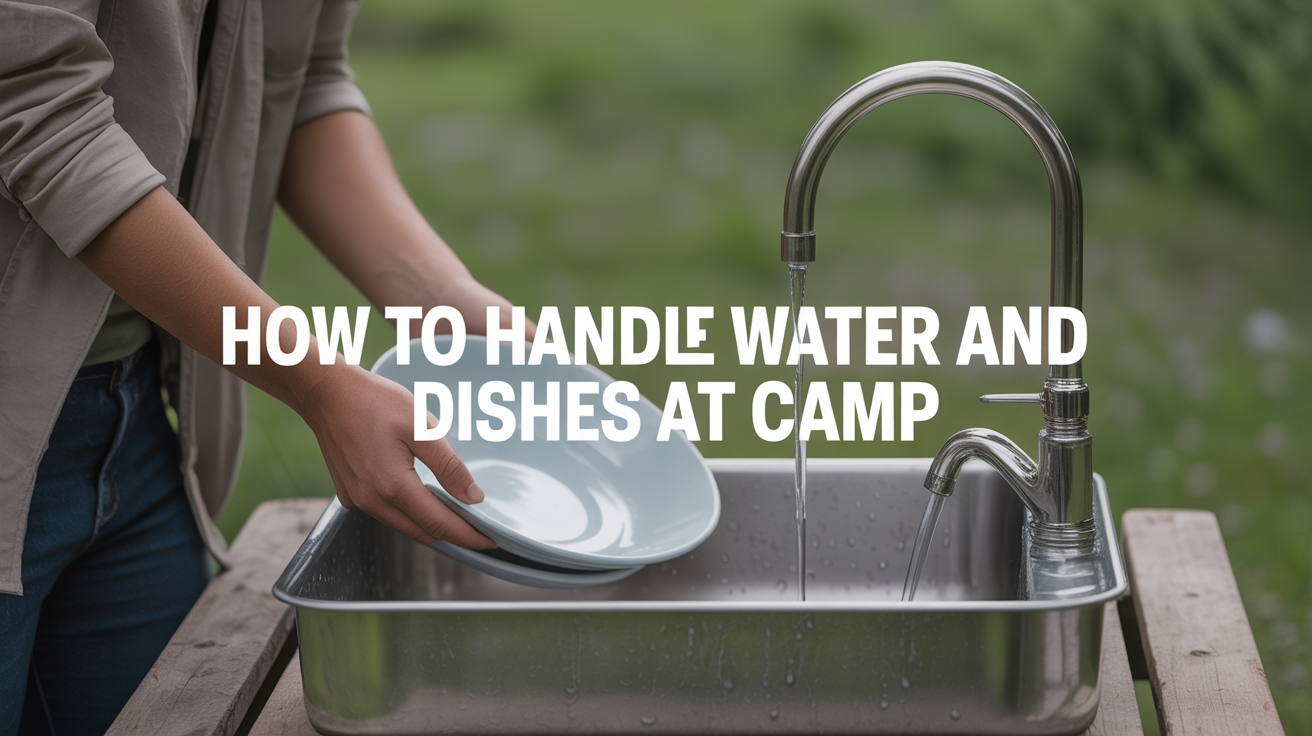
Camp cooking is satisfying right up until you're staring at a greasy pot in the dark. Washing dishes while camping is not complicated, but it does require a different approach than your kitchen sink. You need to carry the right amount of water, use soap that won't harm the environment, and dispose of dirty water in a way that keeps the campsite clean and follows Leave No Trace principles.
Here is what you need to know before your first trip.
How Much Water to Bring for Camping
Water is heavy (about 2.2 pounds per liter), so most car campers strike a balance between convenience and weight. Backpackers filter from natural sources when possible, but dishwashing still needs planning.
A rough estimate for cooking and cleanup per person per day:
| Use | Water Needed |
|---|---|
| Cooking (pasta, oatmeal, rehydrated meals) | 0.5 to 1 liter |
| Rinsing cookware and cups | 1 to 1.5 liters |
| Hand washing before/after meals | 0.25 to 0.5 liter |
| Drinking and hydration | 2 to 3 liters |
For a two-person, two-night trip focused on cooking, budget roughly 6 to 8 liters just for food-related tasks per person, not counting drinking water.
If you are car camping at a site with a water spigot, bring a 5-gallon collapsible container and fill it when you arrive. Backpacking? A 1-liter filter bottle and a 2-liter bladder gives you flexibility. Always know your water source before you go.
The Three-Basin Dishwashing Method
The three-basin method is the standard approach for camp dishwashing. You need three small basins or collapsible buckets. Many dedicated camping dish kits sell these as a set, but any lightweight containers work.
Basin 1: Wash. Hot water and a few drops of biodegradable soap. Use a small sponge or camp scrubber to clean food off cookware, plates, cups, and utensils.
Basin 2: Rinse. Clean, plain water. Dip items in to remove soap residue.
Basin 3: Sanitize. A very dilute bleach solution works well: about one teaspoon of unscented household bleach per gallon of water. Let items air dry after this basin.
Heat your wash water on the stove. Hot water cuts grease far better than cold and reduces how much scrubbing you need to do. You do not need a lot of water per basin. For two people, about 1 to 1.5 liters per basin is sufficient.
A few practical notes:
- Scrape plates thoroughly before washing. The less food in the water, the longer it stays clean.
- Start with the least-greasy items (cups, utensils) and finish with the pot or pan.
- A silicone spatula is excellent for scraping residue into the trash bag before washing begins.
Use Biodegradable Soap
Regular dish soap like Dawn works fine for degreasing but is harder on aquatic ecosystems if it reaches a stream or lake. Camp-specific soaps like Dr. Bronner's or Sea to Summit's Wilderness Wash are formulated to break down faster in soil.
Biodegradable does not mean harmless in water. The key word is "biodegradable in soil," meaning the soap needs to pass through several inches of earth before it reaches a water source. That is why proper greywater disposal matters more than which soap you choose.
Use soap sparingly. A few drops in the wash basin is enough. More soap means more rinsing and more greywater to dispose of.
Disposing of Greywater the Right Way
Greywater is the dirty water left after washing dishes. It contains food particles, soap residue, and grease. Pouring it on the ground near your tent, at the edge of a stream, or in a fire ring is not acceptable under Leave No Trace guidelines and can attract animals or introduce bacteria to water sources.
The correct process:
- Strain first. Pour greywater through a small mesh strainer or a bandanna to catch food particles. Put those solids in your trash bag to pack out.
- Scatter widely. Take the strained liquid at least 200 feet (about 70 adult paces) from any water source, camp kitchen, or tent area.
- Broadcast, don't dump. Swing the basin in a wide arc to disperse the water over a large area of ground. This speeds evaporation and gives soil bacteria time to break it down.
The 200-foot rule applies to lakes, rivers, streams, and ponds. In dense desert or fragile alpine areas, some parks have additional rules, so check any specific regulations before you go.
Keeping Your Camp Kitchen Clean
Dishwashing is part of a broader cleanup routine that keeps your campsite pleasant and reduces wildlife encounters. Food smells attract animals, and a dirty camp invites problems from small rodents to bears, depending on where you are.
A few habits that help:
- Clean up immediately after eating, before food hardens on surfaces.
- Store all food, dirty dishes, and scented items (including soap) in a bear canister or hung food bag overnight and when you leave camp.
- Wipe down the camp stove and cooking surface after each use.
- Keep the cooking area separate from where you sleep, ideally by at least 200 feet in bear country.
Good food-storage and cleanup habits are a core part of Leave No Trace, and they make your site better for the next camper too.
For more on what to cook and how to plan your camp meals, see our guide to easy camping meals for beginners or read how to cook while camping for a broader overview. If you are planning to use a campfire for cooking, how to cook over a campfire covers fire-cooking technique in detail.
Frequently Asked Questions
Do I need all three basins, or can I simplify?
For day trips or short weekenders where you are boiling water anyway, many campers skip the sanitize basin and just use hot wash water followed by a clean rinse. Three basins are most useful when you are cooking for multiple people over several days and need confidence that utensils are genuinely clean. For solo trips on a weekend, wash and rinse with hot water and let items air dry.
Can I wash dishes directly in a stream or lake?
No. Even biodegradable soap harms aquatic life when introduced directly to a water body. Always carry water back to camp (at least 200 feet from the source) before washing. This applies to rinsing your hands with soap as well.
What if I don't have a strainer?
A bandanna, a piece of cheesecloth, or even a coffee filter works. The goal is just to capture food particles so you can pack them out rather than leaving them on the ground. If you have nothing available, use a spoon to fish out any visible solids before scattering greywater.
How do I handle grease from frying bacon or sausage?
Let the grease cool, pour it into a small container (a zip-lock bag works), and pack it out with your trash. Never pour cooking grease on the ground or into a fire. Grease in a campfire can flare up and leaves a residue that attracts animals. The remaining pan residue can go through your regular three-basin wash.
Is hot water always necessary?
Hot water makes a real difference for greasy cookware, but for cups, spoons, and non-greasy items, cool water with soap is usually fine. When water is scarce or heating fuel is limited, prioritize hot water for the pots and pans and use whatever temperature you have for lighter items.