Camping Gear
How to Dress for Camping: Layering for Any Weather
Learn what to wear camping with a simple three-layer system. Choose the right fabrics, dress for cold or warm nights, and stay comfortable at any campsite.
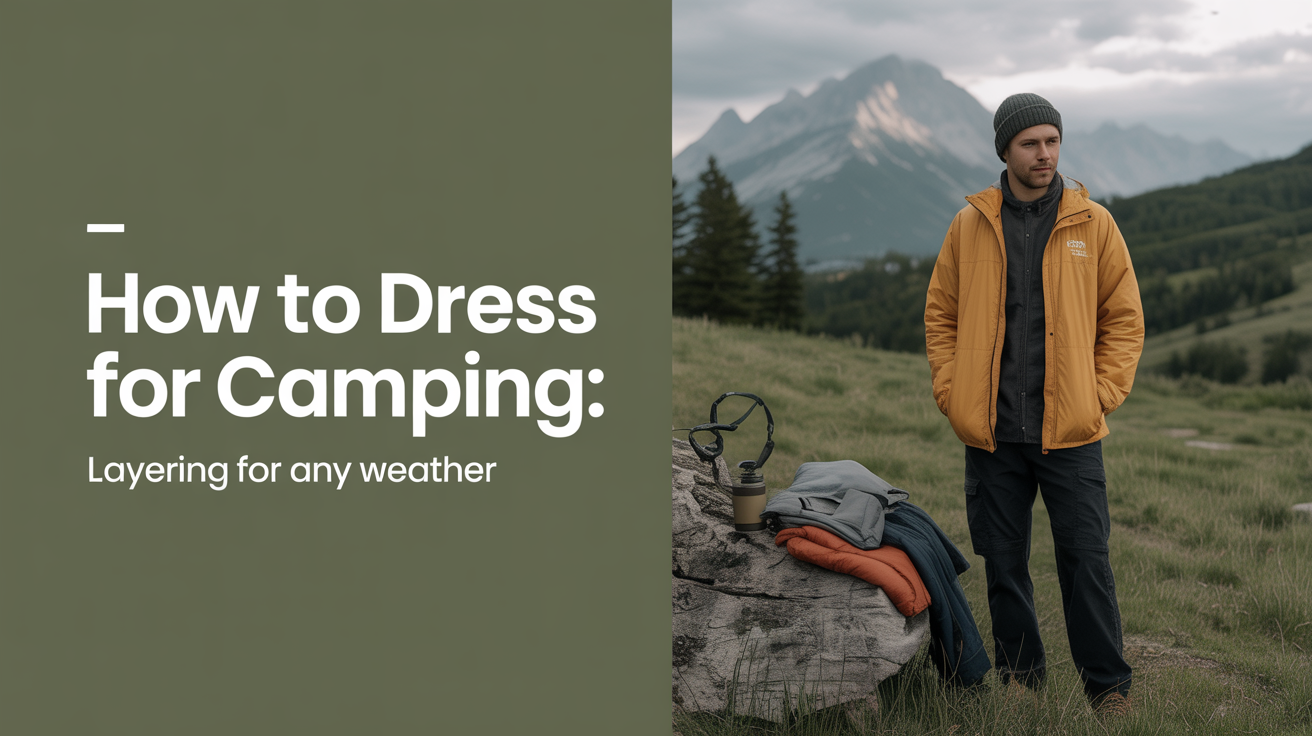
The short answer to what to wear camping: skip the cotton, build three layers, and bring more than you think you need. Temperatures at a campsite shift more than they do at home, often dropping 20 degrees or more after dark. A layering system lets you add or shed clothing as conditions change without hauling a full suitcase into the woods.
Why Cotton Is the One Rule You Should Actually Follow
Cotton is comfortable around the house, but it has a serious flaw outdoors: it absorbs moisture and holds onto it. Sweat, rain, or even morning dew can leave a cotton shirt cold and wet against your skin for hours.
The fix is simple. Look for clothing made from synthetic fabrics (polyester, nylon) or merino wool. Both dry quickly, manage moisture well, and keep insulating even when damp. Merino wool is a good pick if you run hot or want a base layer that won't get funky after a few days without a wash. Synthetics are usually cheaper and dry faster.
This applies most to anything touching your skin. A cotton flannel overshirt for sitting around the fire is fine. A cotton base layer on a cold, rainy hike is a recipe for a miserable night.
The Three-Layer System
Layering for camping follows a straightforward structure. Each layer does a specific job, and you swap pieces in and out as the day changes.
Base layer (moisture management). This sits against your skin. Its job is to pull sweat away from your body so you stay dry. Go with a lightweight synthetic or merino wool top and bottom. Avoid anything labeled "100% cotton."
Mid layer (insulation). This traps body heat. A fleece jacket or a down puffy is the most common choice. Fleece is more affordable and performs well even when wet. Down compresses smaller and weighs less, but loses most of its warmth when soaked. Synthetic insulation fills the middle ground: slightly heavier than down but more water-resistant.
Shell layer (wind and rain protection). This goes on the outside and blocks wind, rain, and moisture from soaking your other layers. A waterproof or water-resistant jacket with a hood is the core piece. Lightweight rain pants round out the shell for wet conditions.
You don't need all three layers at all times. On a warm afternoon you might hike in just a base layer and add the mid when you stop. The system gives you flexibility rather than one heavy piece that's either too hot or not warm enough.
Dressing for Cold Camping
Cold nights are the situation that trips up most beginners. A good sleeping bag handles much of the overnight work, but what you wear to bed and during the evening hours matters too.
For cold camping, add these to your base three-layer setup:
- Warm hat. A significant amount of body heat is lost through the head. A simple fleece or wool beanie weighs almost nothing.
- Gloves or mittens. Even in mild conditions, hands get cold fast once the sun goes down.
- Warm socks. Wool or synthetic blends are far better than cotton here. Bring two or three pairs so you always have a dry set.
- Insulated pants or extra mid-layer bottoms. Fleece pants or lightweight insulated pants make cold mornings much more tolerable.
A common mistake is staying in damp clothes from the day's activities. Change into dry layers before sitting down for dinner. Once you're cold and wet, warming back up takes a long time.
For sleeping, sleep in clean, dry base layers. Adding a light hat and socks to bed can make a noticeable difference on cold nights.
What to Wear Camping in Warm Weather
Hot weather camping has its own challenges. The goal shifts from retaining heat to staying cool, dry, and protected from the sun.
- Lightweight, light-colored synthetic shirts and pants dry faster than dark fabrics and reflect more sunlight.
- Long sleeves and pants in a lightweight fabric protect against sunburn and insects without trapping heat the way heavy fabric does.
- A wide-brimmed hat keeps the sun off your face and neck.
- Bring a lightweight rain layer regardless of the forecast. Afternoon thunderstorms are common in many camping regions and arrive quickly.
Even in summer, temperatures can dip after dark. A light fleece or mid layer is worth keeping in your pack or at camp.
Footwear and Camp Shoes
Footwear deserves its own mention. Hiking boots or trail runners with ankle support are the right choice for anything other than flat, paved ground. Look for something waterproof or quick-drying, depending on the terrain.
A second pair of shoes for camp is a small comfort upgrade that most experienced campers swear by. Sandals, camp shoes, or even old sneakers give your feet a break and let your hiking footwear dry out overnight. This also helps if your main shoes get soaked.
Wool or synthetic hiking socks matter as much as the boots. Bring extras. Wet feet lead to blisters and cold nights.
Quick Reference: What to Pack
| Layer | Warm Weather | Cold Weather |
|---|---|---|
| Base | Lightweight synthetic tee, underwear | Merino or synthetic top and bottoms |
| Mid | Light fleece or thin pullover | Fleece jacket, insulated pants |
| Shell | Packable rain jacket | Waterproof jacket and rain pants |
| Head | Sun hat | Fleece beanie |
| Hands | Optional | Lightweight gloves |
| Feet | Hiking footwear, sandals for camp | Insulated hiking boots, wool socks |
This list pairs well with the rest of your essential camping gear. Keep clothing simple and versatile rather than buying items with a single narrow use.
Leave No Trace and Clothing Choices
Clothing plays a small role in Leave No Trace camping. Bright colors are often a good idea for visibility on the trail, especially during hunting season. Avoid perfumed detergents when washing camp clothes before a trip, particularly in bear country, since strong scents can attract wildlife.
Stick to designated trails and campsites regardless of what you're wearing. Durable surfaces stay intact when you do. If you need to change or wash, move well away from water sources to avoid introducing soap or other products into streams and lakes.
Frequently Asked Questions
Do I need to buy special camping clothes?
Not necessarily. Plenty of people start with athletic wear they already own. The main requirement is avoiding cotton base layers. Moisture-wicking workout clothes in synthetic fabric work fine. As you camp more, you'll find specific pieces worth investing in, but a first trip doesn't require a complete new wardrobe.
How many outfits should I pack for a weekend camping trip?
For a two-night trip, plan for one set of hiking clothes per day plus a dedicated sleep set. That's three sets of base layers minimum, plus your mid and shell layers (which you won't need to change daily). Bring an extra pair of socks and underwear. Packing light is a skill you'll develop over time; starting with a little extra gives you options.
What's the most important piece of clothing for cold camping?
A reliable mid layer, usually a fleece or insulated jacket. It works at camp, layered under your shell on the trail, and as an extra layer in your sleeping bag if temperatures drop unexpectedly. It's the piece most beginners underestimate and most experienced campers won't leave behind.
Can I wear jeans camping?
Jeans are heavy, take a long time to dry, and restrict movement on a trail. They're not dangerous on a casual campsite visit, but they're a poor choice for anything involving hiking or rain. Leave them at home in favor of lightweight hiking pants or shorts.
How do I keep my camping clothes from smelling after a few days?
Merino wool base layers resist odor far better than synthetic fabrics, which is why many multi-day campers prefer them. Airing clothes out each night helps. For longer trips, a small amount of biodegradable soap and a rinse well away from any water source is the standard method. Your tent choice affects this too, since good ventilation reduces condensation that can keep clothes damp overnight.