Camping Gear
How to Choose a Tent for Camping
A practical tent buying guide for beginners: capacity, seasonality, weight, and key features explained so you buy right the first time.
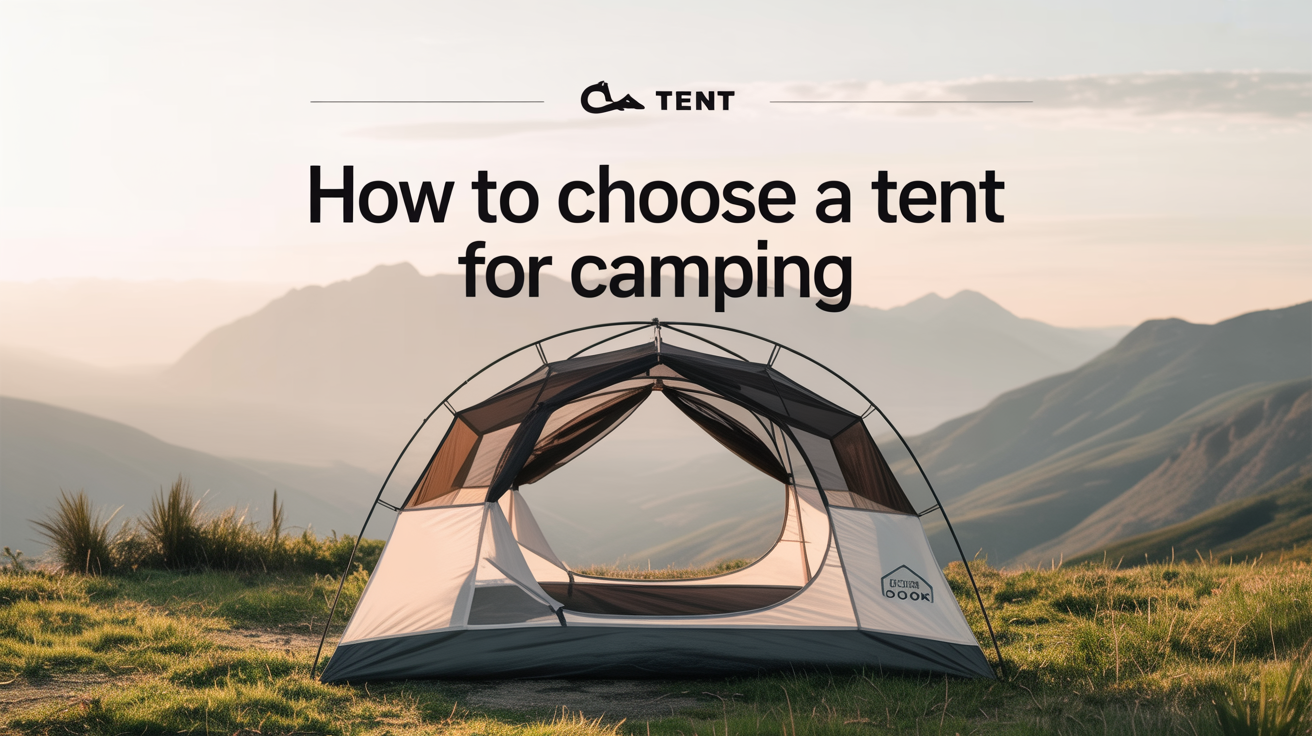
The most common beginner mistake is buying a tent that looks great in the store but fails the first rainy night. Choosing a camping tent isn't complicated once you know which numbers actually matter and which marketing terms to ignore. This guide covers everything in plain language, from capacity math to the features actually worth paying extra for.
At a Glance
- Buy one size up from your real headcount; a "2-person" tent floor is snug for two.
- 3-season covers about 90% of beginners. Save 4-season tents for winter or above-treeline trips.
- Freestanding is the easier first tent to pitch, position, and shake out.
- Weight only matters if you carry it. Car campers can ignore pounds; backpackers can't.
- Aluminum poles beat fiberglass for durability on a tent you'll use for years.
- A full-coverage rain fly and taped seams matter more than brand name.
Start With Capacity, Then Add One
Tent capacity ratings (2-person, 3-person, and so on) describe the number of adults who can legally fit on the floor with no gear inside and no one moving. In practice, a "2-person" tent is genuinely tight for two adults who want to sleep comfortably, stow their bags, and change clothes without elbowing each other.
The rule most experienced campers follow: buy one size up from your actual group. If you camp solo, a 2-person tent gives you room to leave a bag inside and still sleep without feeling like you're in a sleeping bag within a sleeping bag. A couple should look at 3-person models. A family of four should start at 5-person, or split into two smaller shelters.
Floor area (listed in square feet or square meters) is more reliable than the person-count label. A floor under 28–30 sq ft per person starts feeling cramped once gear is inside.
Peak height also matters if you're taller than average or hate dressing hunched over. Cabin-style tents prioritize vertical space. Dome tents trade headroom for weather resistance.
Floor Space by Group Size: A Quick Reference
Use this as a sanity check against the manufacturer's person-count label before you buy.
| Group | Minimum comfortable floor area | Typical labeled size | Notes |
|---|---|---|---|
| Solo camper | 20–30 sq ft | 2-person | Room for a bag and gear inside |
| Couple | 35–45 sq ft | 3-person | Two sleeping pads plus aisle space |
| Couple + 1 child | 50–60 sq ft | 4-person | Tight once packs come inside |
| Family of 4 | 65–80 sq ft | 6-person | Or split into two 3-person tents |
| Group of 4 adults | 80–100 sq ft | 6- to 8-person | Cabin-style tents fit this best |
3-Season vs. 4-Season: Which One Do You Actually Need?
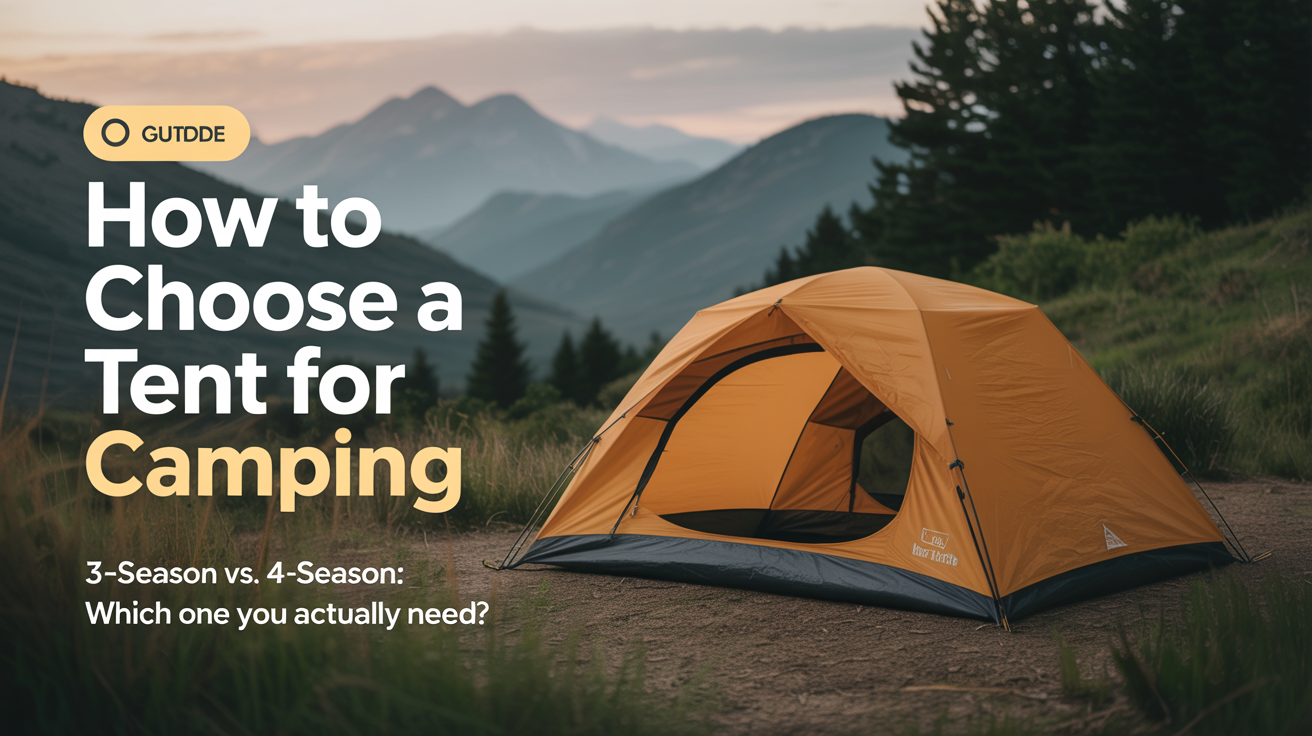
This is the most misunderstood distinction in tent shopping.
3-season tents are designed for spring, summer, and fall, the conditions most campers encounter. They have mesh panels for ventilation (reduces condensation), a full rain fly, and poles light enough to carry without pain. The vast majority of beginners should buy a 3-season tent.
4-season (or "mountaineering") tents are built to handle heavy snow loads and sustained high winds. They use more poles, heavier fabric, and minimal mesh. They're warmer but poor at ventilating in warm weather. A 4-season tent on a July car-camping trip will leave you sweating through the night. For context on what counts as genuinely dangerous wind, the National Weather Service notes that sustained winds of 40 to 50 mph can already cause isolated wind damage, which is well within range for an exposed ridge or an open plain campsite, not just alpine terrain. If your trip forecast regularly runs that high, a 4-season tent's extra pole structure earns its weight.
Unless you plan to camp above treeline in shoulder-season storms or winter conditions, a 3-season tent is the right call. "All-season" labels are a marketing hybrid, closer to 3-season than 4, but worth checking reviews for actual storm performance.
Freestanding vs. Non-Freestanding
Freestanding tents hold their shape with poles alone. You stake them out for stability, but they can stand up without stakes. This makes setup easier (you can position the tent, then stake) and gives you the option to pick it up and shake out debris. Most beginner-friendly tents are freestanding domes.
Non-freestanding tents (often trekking-pole designs or ultralight shelters) require stakes and/or trekking poles to keep their shape. They save significant weight but demand a campsite with stake-able ground and more practice to pitch correctly.
For a first tent, freestanding is the simpler choice. If you later get serious about ultralight backpacking, revisit non-freestanding options.
Car Camping vs. Backpacking: Weight Is the Deciding Factor
If you drive to the campsite and the tent lives in a trunk or the back of an SUV, weight is nearly irrelevant. You can buy a heavier, more spacious tent with a larger floor plan and a taller peak, and it will be more comfortable.
If you carry the tent on your back for miles, every ounce matters. Backpacking tents target 2–4 lbs (roughly 1–2 kg) for a two-person model. That requires thinner fabrics and fewer poles, which means a higher price tag for good weather performance.
A helpful guide: pair your tent choice with your sleeping setup choices, since both affect pack weight and comfort. And don't forget that your sleeping pad goes inside the tent, floor space needs to account for it.
| Tent Type | Weight | Best For | Price Range |
|---|---|---|---|
| Car-camping dome (3-season) | 8–15 lbs | Families, first-timers, festivals | $80–$300 |
| Backpacking dome (3-season) | 2–4 lbs | Trail camping, thru-hiking | $150–$600+ |
| Cabin tent | 15–30 lbs | Base camps, extended car trips | $100–$500 |
| Ultralight shelter | Under 2 lbs | Experienced backpackers | $300–$800+ |
| 4-season mountaineering | 5–8 lbs | Winter/alpine conditions | $400–$1,000+ |
Key Features Worth Paying Attention To
The Rain Fly
A full-coverage rain fly (one that reaches close to the ground) protects far better than a partial fly that only covers the top. Check the fly coverage before you buy, some budget tents leave the lower mesh exposed, which leaks in horizontal rain or wind-driven water.
Seam sealing matters too. Factory-taped seams on the fly and floor bathtub (the waterproof portion of the tent floor that "cups" up the sides) keep water out. Some cheaper tents ship with untaped seams that need seam sealer before their first wet night. If yours does, apply a bead of seam sealer along every stitched line on the fly and floor, let it cure overnight per the label, then test with a garden hose before you trust it on a real trip.
Vestibules
A vestibule is the covered porch area under the fly but outside the sleeping compartment. You store muddy boots, wet rain gear, and bags you don't want inside here. A tent without a vestibule puts all that gear either in your sleeping space (cluttered and damp) or outside (unprotected). Even a small vestibule makes a real difference on multi-night trips. A vestibule in the 8 to 12 sq ft range comfortably fits two packs and a pair of boots; anything smaller is really just a doormat.
Doors and Windows
Two doors on a two-person tent is not a luxury. With one door, the person sleeping near the wall has to climb over their tentmate at 3 a.m. Separate doors dramatically reduce that friction. Look for this on any tent shared by two people.
Pole Material
Aluminum poles are stronger, lighter, and more repairable than fiberglass. Fiberglass is cheaper and common in budget tents, but it shatters rather than bends, and a snapped pole mid-trip is a harder fix. If you're buying a tent for regular use, aluminum poles are worth the modest price difference. A snapped fiberglass pole splinters into sharp shards that can puncture the fabric sleeve it sits in; aluminum just bends, and most kits include a repair sleeve that slides over a bent or cracked section to get you through the rest of the trip.
Tent Care That Extends Its Life
A tent that's stored and cleaned properly lasts five to ten years of regular use. A few habits matter more than the tent's original price:
- Dry it completely before storage. Packing a damp tent grows mildew that degrades the waterproof coating and never fully airs out.
- Store it loose, not stuffed tight. A stuff sack is for transport; at home, a loose mesh or cotton storage bag keeps the fabric from creasing along the same lines for months at a time.
- Re-treat the fly every year or two. A spray-on durable water repellent restores beading once factory treatment starts wetting out (soaking through instead of beading up).
- Shake out, don't sweep, the floor. Grit ground into the floor coating under a sleeping pad wears through faster than almost anything else.
A Simple Buying Checklist
Before you finalize any tent purchase, run through these:
- Capacity: am I buying one size larger than my headcount?
- Season rating: 3-season covers 90% of beginner camping; 4-season only if you need it
- Freestanding: yes, for most beginners
- Weight category: car-camping or backpacking (don't buy a heavy tent for a long trail)
- Full-coverage rain fly: does it reach close to the ground?
- Seam taping: factory-taped, or will you need to apply seam sealer?
- Vestibule: at least one; larger if you bring a lot of gear
- Doors: two doors if two people are sharing
- Poles: aluminum preferred over fiberglass for durability
For a full rundown of what else to bring on your first trip, see essential camping gear for beginners.
Frequently Asked Questions
What size tent should a beginner buy?
A 3-person tent for solo or two-person camping is a practical starting point. It gives you room to store gear inside, sleep without touching the walls, and move around without feeling boxed in. The labeled capacity is based on floor space alone, real comfort requires a bit more room.
Do I need a footprint (ground cloth) under my tent?
Not always, but it extends tent life and adds moisture protection on damp ground. A footprint cut to match your tent floor prevents abrasion that wears through the floor coating over time. On rocky or wet sites, it's worth adding. Folded poly tarps work as a cheaper substitute; just tuck the edges under the tent so they don't funnel rainwater underneath.
How much should a beginner spend on a tent?
For car camping, $100–$250 buys a solid 3-season tent from established brands. Tents under $80 often have untaped seams, poor pole quality, and zippers that fail within a season or two. Backpacking tents cost more because weight savings require better materials, budget $200–$400 for a reliable option that won't disappoint on a wet trail night.
Can I use a backpacking tent for car camping?
Yes, without any issue. The only downside is that backpacking tents prioritize low weight over living space, so they tend to be smaller and lower-profile than car-camping models. If most of your camping is car-based, a larger car-camping tent will be more comfortable for the money. Save the ultralight tent purchase for after you know you'll actually be carrying it.
What is a "bathtub floor" and why does it matter?
A bathtub floor is a tent floor designed with waterproof material that curves up several inches on all sides before joining the mesh or tent body. This lip prevents water from seeping in at the seam where the floor meets the wall, the most vulnerable spot during heavy rain. Most quality tents have this feature; check the product specs before buying a budget option.
How do I know if a tent will actually keep me dry, before I've camped in it?
Check three numbers if the listing has them: the fly's waterproof rating (look for 1,500mm or higher for the fly, 3,000mm or higher for the floor), whether seams are factory-taped, and whether the fly is full-coverage or partial. A tent that scores well on all three will handle a steady overnight rain. None of that guarantees comfort in a sustained storm with high wind, that's what 4-season ratings and guy-out points are for.
Should I buy a tent with a built-in gear loft or lantern hook?
These are nice extras but shouldn't drive the purchase. A gear loft (a small mesh shelf near the ceiling) keeps a headlamp or phone off the floor, and most tents have a loop for hanging one even without a built-in loft. Prioritize capacity, season rating, and rain fly coverage first, then treat interior organization features as a tiebreaker between two otherwise similar tents.