Camp Cooking
Camp Coffee: How to Make Coffee While Camping
Learn how to make coffee while camping with six methods compared side by side, plus cleanup tips and Leave No Trace ground disposal.
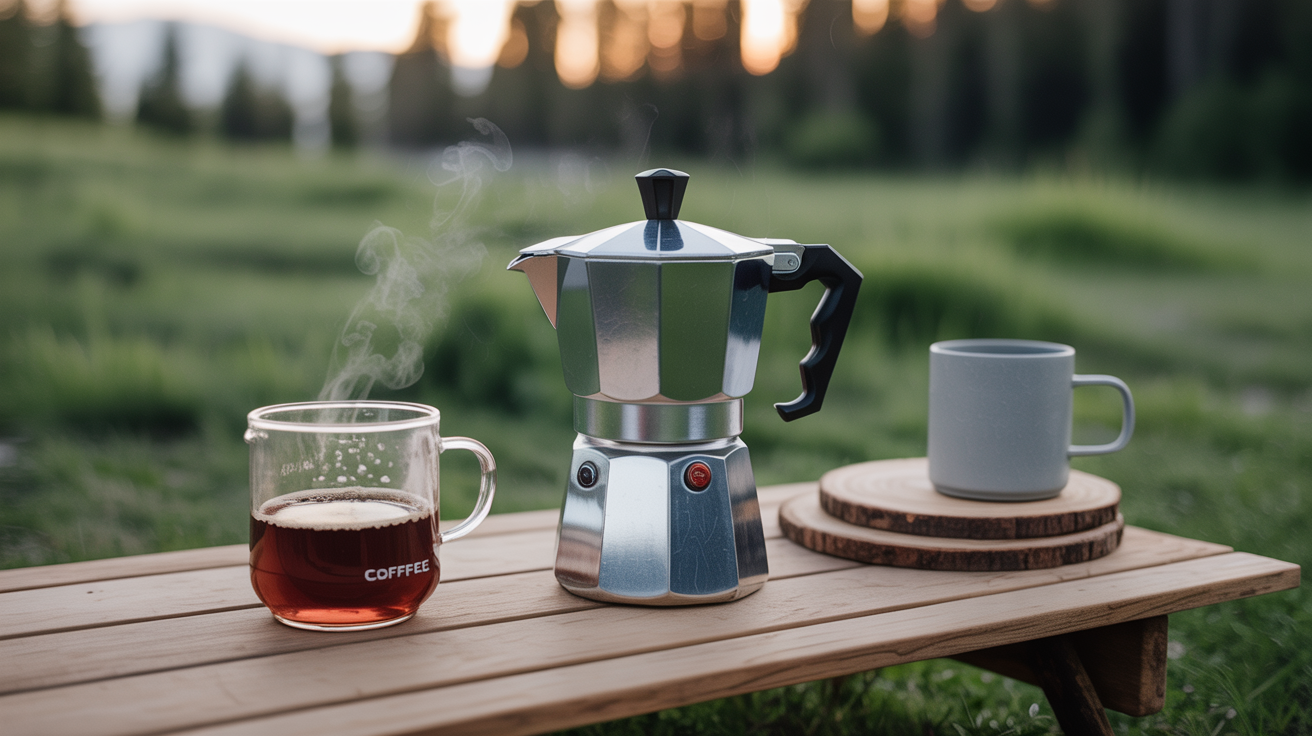
Good camp coffee is not complicated, but it does require a few decisions before you pack. The method you choose depends on your pack weight limits, whether you have a stove, and how particular you are about flavor. This guide walks through six common approaches so you can pick one that fits your trip, plus the ratios, cleanup rules, and gear notes that keep camp coffee simple instead of a chore.
At a Glance
- Ultralight or fast: instant packets, almost no gear, ready in a minute.
- Best flavor for the weight: AeroPress or a collapsible pour-over dripper.
- No extra gear at all: cowboy coffee, just a pot you already carry.
- Group car camping: a percolator or insulated camp French press covers a crowd.
- Standard ratio: about two tablespoons of ground coffee per six ounces of water; adjust from there.
- Grounds are food waste. Pack them out, never scatter or bury them at camp.
Six Methods for Making Coffee While Camping
Here is a side-by-side look at the main camping coffee methods, from the lightest to the most gear-heavy.
| Method | Gear needed | Weight | Brew quality | Cleanup |
|---|---|---|---|---|
| Instant | Packet + hot water | Almost none | Variable | None |
| Cowboy coffee | Pot | Minimal | Gritty if rushed | Easy |
| Pour-over (collapsible dripper) | Dripper + filters | Light | Clean, bright | Rinse filter |
| French press (camp version) | Camp French press | Moderate | Full-bodied | Messy grounds |
| Percolator | Metal percolator | Heavy | Strong, sometimes bitter | Moderate |
| AeroPress-style | AeroPress + filters | Light-moderate | Excellent | Easy |
Instant coffee is the obvious choice for ultralight trips or when you just need caffeine fast. Quality has improved a lot, and single-serve packets take up almost no space. They are not a flavor revelation, but they are reliable.
Cowboy coffee means boiling ground coffee directly in a pot, then letting the grounds settle before pouring. Add about two tablespoons of coarse-ground coffee per cup of water, bring it to a near-boil, take it off heat, and wait three to four minutes. Pour slowly from a low angle. You will still get sediment in the last third of the cup.
Collapsible pour-over drippers fold flat and weigh almost nothing. You boil water separately, set the dripper over your mug, add a filter and grounds, and pour in a slow spiral. The brew is clean and bright. Filters are the only consumable to pack in (and out).
Camp French presses come in insulated versions sized for one to four people. Steep for four minutes, press slowly. The result is rich and full-bodied. The downside is dealing with spent grounds, which clump at the bottom and can be tricky to dispose of properly.
Percolators are classic car-camping gear. They sit directly on a stove burner or campfire grate and cycle hot water up through a tube and over the grounds repeatedly. They brew a lot of coffee at once and keep it warm, but the repeated cycling can over-extract and turn the brew bitter if you are not watching.
AeroPress is a popular backcountry pick because it brews a concentrated shot in about 90 seconds, tolerates a wide range of grind sizes, and packs down smaller than most drippers. The newer travel version is lighter than the original. Cleanup is fast: pop out the puck of grounds, rinse, done.
Coffee-to-Water Ratios for a Crowd
Most beginners under-measure the first few times out, then over-correct into mud. Use this as a starting reference and adjust to taste from there; a coarser grind or a shorter steep pulls the flavor back if it comes out too strong.
| Servings | Water | Ground coffee | Method notes |
|---|---|---|---|
| 1 mug | 6 oz (about 3/4 cup) | 2 tbsp | Standard ratio for pour-over or AeroPress |
| 2 mugs | 12 oz (about 1.5 cups) | 4 tbsp | Doubling works cleanly for cowboy coffee too |
| 4 mugs (camp French press) | 24 oz (3 cups) | 8 tbsp | Steep 4 minutes before pressing |
| 8 mugs (percolator, group trip) | 48 oz (6 cups) | 1 cup ground | Cycle 7 to 10 minutes once perking starts |
At elevations above 5,000 feet, water boils a few degrees cooler, which pulls a slightly weaker cup from methods that rely on near-boiling water. Bumping the grounds up by roughly ten percent, or steeping cowboy coffee an extra minute, compensates for most of that difference.
What to Bring: Gear and Coffee Basics
For any method that requires ground coffee, grind at home and store in a small zip bag or reusable container. Pre-ground coffee saves you from packing a grinder.
A few things that apply across all methods:
- Heat source: Most camp coffee methods rely on boiling water. If you are already cooking on a camp stove (see a beginner's guide to cooking while camping), your stove doubles as your coffee station.
- Water: Use filtered or treated water. If your camp water comes from a stream or lake, filter, boil, or chemically treat it before you heat it for coffee; the CDC notes that backcountry water can be disinfected by boiling, filtering, or chemically treating it, and none of those steps take more than a few extra minutes.
- Mug: An insulated mug keeps your coffee warm longer, which matters on cold mornings.
- Measuring: Two tablespoons of coffee per six ounces of water is a reasonable starting ratio. Adjust to taste.
You do not need a dedicated coffee kit. Most campers use the same small pot they cook with, plus whatever brewing gear they choose.
Cleanup and Leave No Trace for Coffee Grounds
Coffee grounds need to be packed out, not buried or scattered near camp. This is the part that catches beginners off guard.
The Leave No Trace principle of disposing of waste properly, which the National Park Service teaches at developed and backcountry sites alike, treats food scraps and dishwater the same way: pack out anything you brought in, and scatter only well-strained wastewater at least 200 feet from camp, trails, and water sources. Grounds count as food waste under that rule. A few disposal pointers:
- Strain greywater. If you rinse a French press or percolator at camp, strain out the grounds before disposing of dishwater. Scatter strained dishwater at least 200 feet from water sources, trails, and camp. Pack the strained grounds in a small zip bag.
- Cowboy coffee residue. Let the pot cool, pour off as much liquid as you can, then scoop the remaining wet grounds into a waste bag.
- Filters. Paper filters with grounds inside go into your trash bag, not into the fire. Wet filters do not burn cleanly.
- Collapsible drippers and AeroPress pucks are the easiest: the grounds come out as a compact unit that drops neatly into your trash bag.
If you are car camping with a trash can nearby, this is simple. In the backcountry, you are already carrying a trash bag for other waste, so coffee grounds just go in with everything else.
Which Method Is Right for Your Trip?
A few trip types and what tends to work well:
Weekend car camping with a group: A percolator or large camp French press makes sense. You can brew enough for several people at once, and weight is not a concern. If you are also making easy camping meals for beginners, you likely already have a two-burner stove.
Solo or two-person backpacking trip: An AeroPress or collapsible pour-over dripper is a good call. Both are light and brew clean. If you want to cut weight further, instant packets are hard to beat.
Minimalist approach: Cowboy coffee requires nothing extra. If you already have a pot for cooking over a campfire, you have everything you need.
Cold morning in the backcountry: An insulated French press keeps coffee warm longer than a pour-over into an uninsulated mug. Worth the extra weight if morning warmth matters to you.
Frequently Asked Questions
Do I need a special camping coffee maker? No. Cowboy coffee needs only a pot. Instant packets need only a mug and hot water. A collapsible pour-over dripper costs a few dollars and weighs almost nothing. You do not need a dedicated coffee maker to get a decent cup at camp.
Can I use a regular French press while camping? A standard glass French press is fragile and heavy. Camp versions use insulated stainless steel carafes instead of glass. They are more durable and keep coffee warmer. If you already own an AeroPress, that is a lighter alternative with similar brew quality.
How do I make coffee over a campfire without a stove? Cowboy coffee works directly over a fire. Use a small metal pot or a fire-safe camp kettle, bring the water to a near-boil on a grate or suspended over the fire, add grounds, pull it off the heat, and wait for them to settle. You can also heat water over the fire to use with any other method.
What coffee grind works best for camping? For cowboy coffee, a coarser grind settles faster and produces less sediment. For pour-over, a medium grind works well. AeroPress is forgiving and works with fine to medium-coarse. For percolators, a medium-coarse grind helps avoid over-extraction. Pre-grind at home to match your method.
Is instant coffee actually good now? Several brands have improved noticeably. Single-origin instant packets exist and can be surprisingly drinkable. They will not match a fresh pour-over in flavor, but for early mornings before a long hike, they are a practical choice. Bring a packet as a backup even if you plan to use another method, in case your stove fuel runs low.
Why can't I just dump my coffee grounds on the ground at camp? Grounds are compostable at home but not at a campsite. They do not break down fast enough to matter over a weekend, they attract insects and small animals, and enough campers doing it turns a nice site into a mess of soggy grounds. Straining and packing them out with your other trash takes an extra thirty seconds and keeps the site clean for the next person.
How many cups of coffee can I get from one pound of ground coffee? Using the standard two tablespoons per six ounces ratio, a pound of ground coffee (about 80 tablespoons) makes roughly 40 six-ounce mugs. For a two-person, three-day trip at two mugs each per morning, a half-pound bag covers the whole trip with room to spare.