Hiking & Trails
Your First Overnight Backpacking Trip: How to Prepare
Planning your first backpacking trip? This beginner guide covers route selection, gear, food, water, permits, and what to expect on your first night out.
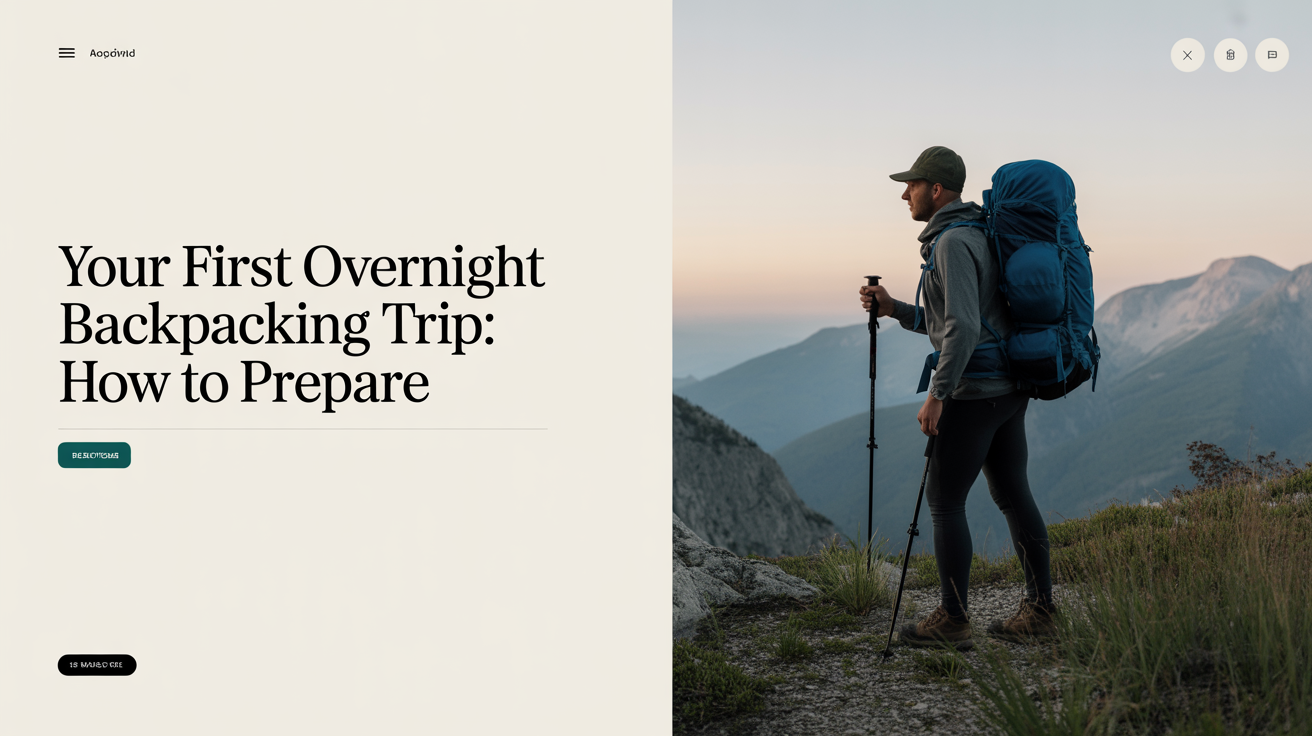
A first backpacking trip is simpler to plan than most people expect. You do not need a week-long wilderness permit or a $2,000 gear closet. What you need is a short route, a few key items that actually work together, and a basic plan for food, water, and safety. This guide walks through each of those pieces so you can get out there with a reasonable pack and a realistic idea of what the first night will feel like.
Choosing the Right Route for Your First Trip
The single biggest mistake first-timers make is picking a route that is too long or too remote. A good beginner overnight is 5 to 8 miles round trip with a manageable elevation gain, ideally with a designated campsite or dispersed camping area near water.
A few things to look for when picking your route:
- Trailhead with clear signage. Getting confused at the start of an unfamiliar trail adds stress you do not need on day one.
- A campsite at or before the halfway point. You want to reach camp with daylight to spare, especially on your first trip.
- Water sources along the route. Carrying all your water adds significant weight. A lake, stream, or spring near camp lets you filter on-site instead.
- Low foot traffic on your chosen date. State forests, national forests, and less-visited sections of popular parks often have more camping flexibility than the most famous trailheads.
Start with a route you have already done as a day hike. Familiarity with the trail removes one variable. If you are brand new to hiking generally, read through how to start hiking before committing to an overnight.
What to Pack: A Beginner Backpacking Gear List
Backpacking gear is organized around the idea of your "base weight," which is everything in your pack except food, water, and fuel. For a beginner, a base weight under 20 lbs is reasonable. Under 15 lbs is comfortable for most people. You do not need ultralight gear to hit those numbers.
Here is a straightforward packing list for a one-night trip:
| Category | What You Need |
|---|---|
| Shelter | Backpacking tent (2P is fine for 1 person; more room) |
| Sleep | Sleeping bag rated 10F below expected low + sleeping pad |
| Pack | 40 to 55 liter pack with a hip belt |
| Navigation | Downloaded offline map (Gaia GPS, AllTrails) + paper map |
| Water | Filter or purifier (Sawyer Squeeze, SteriPen, or tablets) + 2 soft flasks or a 2L bladder |
| Food | No-cook or simple stove meals for dinner + breakfast + snacks |
| Cooking | Camp stove + fuel canister + lightweight pot + spork (skip if going no-cook) |
| Clothing | Moisture-wicking base layer, insulating mid layer, rain shell, dry camp socks |
| First aid | Small kit with blister care, pain reliever, any personal meds |
| Light | Headlamp + spare batteries |
| Hygiene | Trowel, toilet paper, waste bags, hand sanitizer, bear canister or hang bag |
| Sun & bugs | Sunscreen, sunglasses, bug spray (season and region dependent) |
A few things you can leave at home for a first overnight: a camp chair, a full-size pillow, cookware sets meant for a base camp, and any gear you have not actually tested. Worn-in boots matter more than new boots on a trip with a loaded pack. Read how to choose hiking boots before you buy.
Food and Water Planning
Water: On a one-night trip, plan for roughly 0.5 liters per hour of active hiking and about 1 to 2 liters in camp for cooking, drinking, and brushing teeth. A filter like the Sawyer Squeeze handles most water sources in North America and weighs almost nothing. Always treat water from streams, lakes, and springs, even if the source looks clear.
Food: Keep it simple. A first overnight is not the time to stress over backcountry cooking. Some approaches that work well:
- No-cook: Tortillas, nut butter, summer sausage, crackers, cheese, and trail mix require zero stove time and no pots to clean.
- Boil-and-eat: Instant oatmeal, ramen, mashed potatoes, and freeze-dried meals come together in under 10 minutes with a small camp stove and pot.
A rough food target is 1.5 to 2 lbs of food per day (including packaging). For a one-night trip, that is about 2 lbs total: dinner, breakfast, and snacks across both days.
Pack out everything you pack in. Food scraps, wrappers, and orange peels all go into your trash bag.
Permits, Regulations, and Leaving a Trip Plan
Permits: Many popular wilderness areas require overnight permits, and some fill up weeks or months in advance. Check the land management agency's website for your area before you go. National forest dispersed camping often has no permit requirement. State parks vary widely.
Campfire rules: Check current fire restrictions for your area. Many western states have seasonal fire bans. On a first trip, a stove is a simpler and lower-impact option than a campfire.
Leave No Trace basics:
- Camp at least 200 feet from water sources, trails, and other campsites
- Bury human waste in a cathole 6 to 8 inches deep, 200 feet from water
- Pack out all food waste and trash
- Leave rocks, plants, and natural objects where you find them
Trip plan: Tell someone exactly where you are going before you leave. Write down your trailhead, your planned campsite, your route, and when you expect to be back. Give them the number for the local ranger station and ask them to call if they have not heard from you by a specific time. This is not paranoia; it is a basic safety step that costs nothing.
What to Expect on Your First Night
The first night in a tent with a loaded pack nearby feels different from car camping. There are a few things worth knowing ahead of time.
You will probably sleep lighter than at home. Forest sounds, the ground, and a sleeping pad that is slightly different from your mattress all add up. This is normal and it gets easier. An ear plug or two can help.
Setting up camp takes longer than you expect. Arrive at camp with at least 90 minutes of daylight. You need time to pitch the tent, filter water for dinner, cook, clean up, hang or store your food, and organize your pack for the morning.
Food storage is not optional. In bear country, use a bear canister or hang your food at least 10 feet off the ground and 4 feet from the tree trunk. Many camping areas have bear boxes at designated sites. Check in advance what the regulations require.
Temperature drops significantly after dark. Even in summer, nights in the mountains or at elevation can dip into the 40s or 30s. Wear your insulating layer when you stop moving. Put your camp clothes on before you get cold, not after.
The morning will feel easier. Most people sleep better the second night and feel more capable after surviving the first. By the time you walk back out, you will already be thinking about where to go next.
Frequently Asked Questions
How fit do I need to be for a first backpacking trip?
You should be comfortable hiking for 3 to 4 hours with a light daypack before adding a loaded overnight pack. If you can do a 6-mile day hike without significant soreness, a short overnight is within reach. Build up your hiking legs over a few weeks of regular walks before your trip.
How much does a backpacking trip cost?
Gear is the main upfront cost. A functional beginner setup (tent, sleeping bag, pad, pack) can be assembled for $300 to $600 if you shop sales or buy used from reputable resellers. Many outdoor retailers also rent gear by the weekend. The trip itself is often free or low-cost, especially on national forest or dispersed camping land.
Can I go alone on my first backpacking trip?
Solo backpacking is safe with the right preparation, but most people find it easier to start with a partner or a small group. Having someone with you helps with navigation decisions, camp chores, and general confidence. If you do go solo, leave a detailed trip plan with someone you trust and carry a way to signal for help (a personal locator beacon or satellite communicator is worth considering for remote routes).
Do I need a permit for every backpacking trip?
No. Many trails, especially in national forests and on BLM land, allow dispersed camping without a permit. However, high-demand wilderness areas, national park backcountry, and some state parks do require advance permits. Always check the specific land management agency for your route before you go.
What if the weather turns bad?
Check the forecast for both the trailhead and the summit or high point on your route before you leave. Mountain weather changes faster than city weather. A rain shell and a waterproof pack cover handle light rain well. If lightning or severe weather is in the forecast, change your dates rather than your odds. Turning back is always the right call when conditions are beyond your gear or experience.