Safety & Navigation
Wildlife Safety: Bears, Snakes, and Bugs for Beginners
Learn wildlife safety hiking basics: how to handle bear encounters, avoid snake bites, and protect yourself from ticks and bugs on the trail.
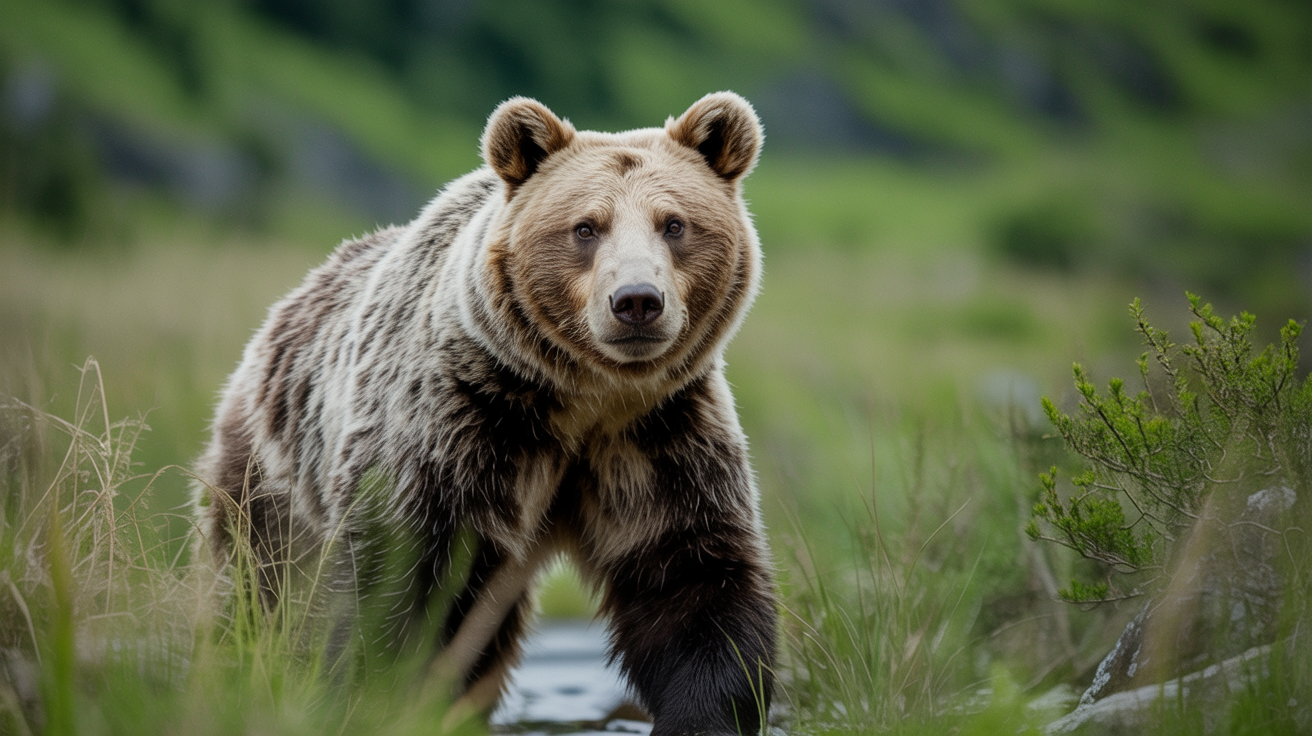
Most wildlife encounters on the trail are non-events. An animal hears you coming, decides you're trouble, and disappears before you ever see it. The goal of wildlife safety isn't to make nature feel dangerous. It's to understand a few predictable patterns so you can avoid the handful of situations where animals feel cornered or surprised.
This guide covers the three categories of wildlife that beginners ask about most: large predators (bears in particular), venomous snakes, and biting insects. The specifics vary by region, so always check what's present where you're going and follow any park or ranger recommendations for that area.
Bear Safety: At Camp and on the Trail
Bears are smart and adaptable, which is exactly why food storage matters so much. A bear that associates your campsite with a meal is a bear that will keep coming back, and that's bad for the bear, not just for you.
Food storage rules to follow every time:
- Store food, trash, cookware, and anything scented (sunscreen, toothpaste, lip balm) at least 200 feet from your sleeping area.
- Use whatever method is required for the area: a bear canister, a bear box if one is provided, or a bear hang (rope over a branch at least 10 feet high and 4 feet from the trunk).
- Never bring food into your tent, even sealed snacks.
- Cook and eat away from your sleeping area, and change out of clothes you cooked in before bed if possible.
On the trail:
Make noise as you hike, especially near streams, dense brush, or around blind corners where a bear can't hear you coming. Talking with a group is enough. Bear bells work to some extent, but your voice carries differently and bears are more likely to register it as human.
If you see a bear at a distance, give it room to move away. Don't get between a bear and cubs, ever. If a bear approaches and you have bear spray, have it out and ready before you need it. Bear spray is effective when used correctly at close range, but it requires practice to deploy quickly. Read the instructions before your trip, not during an encounter.
If a bear charges: in most cases, stand your ground. Many charges are bluffs. Bear spray is your best tool. The appropriate response to an actual attack varies by bear species, so research the specific bears in your destination area before you go.
Snake Safety: Watch Your Step and Your Hands
Venomous snakes exist on nearly every continent, and the instinct when you see one is to either freeze or jump back. Both are fine. What you don't want to do is reach toward a snake to move it, get close for a photo, or step over a log without knowing what's on the other side.
Practical habits that reduce your risk:
- Stay on the trail where you can see the ground clearly.
- Before stepping over logs or large rocks, step onto them first and look down the other side.
- When reaching into rock crevices, under logs, or into tall grass, use a stick to check first.
- Watch where you put your hands when scrambling or using rock outcrops as handholds.
- Wear sturdy footwear. Low-cut trail runners leave your ankles and lower calves exposed. Boots offer more coverage.
- At camp, shake out your shoes and check inside before putting them on in the morning.
If you do see a venomous snake on the trail, give it a wide berth and move around it. Snakes don't chase people. They bite when they feel cornered or threatened.
If a bite happens:
Stay calm, immobilize the bitten limb, keep it at or below heart level, and get to medical care as fast as possible. Do not cut the wound, suck out venom, apply ice, or use a tourniquet. These methods are ineffective and can cause additional harm. Know how to contact emergency services before your trip, and make sure someone knows your planned route. Navigation tools can help you find the fastest way out. If you're not sure how to use what you're carrying, how to use your phone for hiking navigation covers the basics.
Ticks, Mosquitoes, and Other Biting Insects
Biting insects are the wildlife encounter you're most likely to have, and the one beginners underestimate the most. The risk isn't the bite itself. It's what some insects can transmit, including Lyme disease, spotted fever, and others depending on your region.
How to avoid ticks hiking:
- Wear light-colored clothing so ticks are easier to spot before they bite.
- Tuck your shirt into your pants and your pants into your socks when hiking through brush or tall grass.
- Use an EPA-registered insect repellent. DEET and picaridin are both effective. Permethrin can be applied to clothing and gear (not skin) and remains active through several washes.
- Do a full body tick check after every hike, especially in your hair, behind your knees, in your armpits, and around your waistband.
- Check pets and gear too. Ticks hitch rides on both.
If you find an attached tick, use fine-tipped tweezers to grasp it as close to the skin surface as possible and pull upward with steady, even pressure. Don't twist or jerk. Don't apply heat or petroleum jelly. After removal, clean the area with rubbing alcohol or soap and water. Monitor the site for several days and contact a healthcare provider if you develop a rash, fever, or flu-like symptoms.
Mosquitoes follow similar prevention: repellent, covering skin in high-bug areas, and using a bug net over your tent door in areas with heavy mosquito pressure. Look up whether malaria, dengue, or other mosquito-borne illness is a concern in your specific region, especially for international trips.
General Habits That Apply to All Wildlife
A few practices make a difference across the board:
- Make noise on the trail to avoid surprising animals at close range.
- Keep a clean camp. Food smells attract more than bears. Raccoons, rodents, foxes, and other animals will also investigate.
- Don't feed wildlife, intentionally or accidentally. It alters their behavior and puts both animals and future visitors at risk.
- Keep a safe distance from any animal. If your presence is changing an animal's behavior, you're too close.
- Stick to marked trails where possible and let someone know your route before you go. If something goes wrong, having a known plan matters. What to do if you get lost while hiking is worth reading before any solo or remote trip.
Leave No Trace principles overlap with wildlife safety more than people expect. Burying waste properly, packing out all trash, and not disturbing habitat all reduce unwanted animal contact.
Frequently Asked Questions
Do I need bear spray even if bears are rare where I'm hiking?
It depends on the area. In regions with active bear populations, bear spray is strongly recommended and sometimes required. Even in lower-density areas, carry it if the terrain includes limited visibility and frequent bear sightings. Check with the land management agency responsible for your destination before your trip. Rangers are the most reliable source for current local conditions.
What should I do if I find a snake on the trail blocking my path?
Wait. Most snakes will move on their own in a few minutes if you step back and give them space. If you can safely go around at a wide distance, do that. Never try to move a snake with your hands or a hiking pole.
How long after a tick bite should I be concerned about symptoms?
The window varies by disease. Lyme disease symptoms, for example, can appear anywhere from a few days to a few weeks after a bite. If you find an attached tick, note the date of removal and watch for symptoms including rash, fever, fatigue, or joint pain for several weeks afterward. When in doubt, consult a healthcare provider, especially if you found the tick after it had been attached for more than 24 hours.
Is it safe to hike alone in areas with wildlife?
Plenty of people hike solo without incident. The main adjustments for solo hiking are: make more noise than you would in a group, carry bear spray in bear country, tell someone detailed information about your route and expected return time, and know how to navigate back if something goes wrong. How to navigate with a map and compass is a useful skill to have regardless.
How do I know what wildlife is in the area I'm visiting?
Check the park or land management website before your trip. Most list common species and any active wildlife advisories. Local ranger stations can fill in the gaps with current conditions. Regional hiking forums and recent trip reports are also useful for knowing what people have encountered in the past few weeks.