Hiking & Trails
How to Hike With Kids and Keep It Fun
Practical family hiking tips for picking the right trail, packing smart, keeping kids engaged, and staying safe on the trail with toddlers and young children.
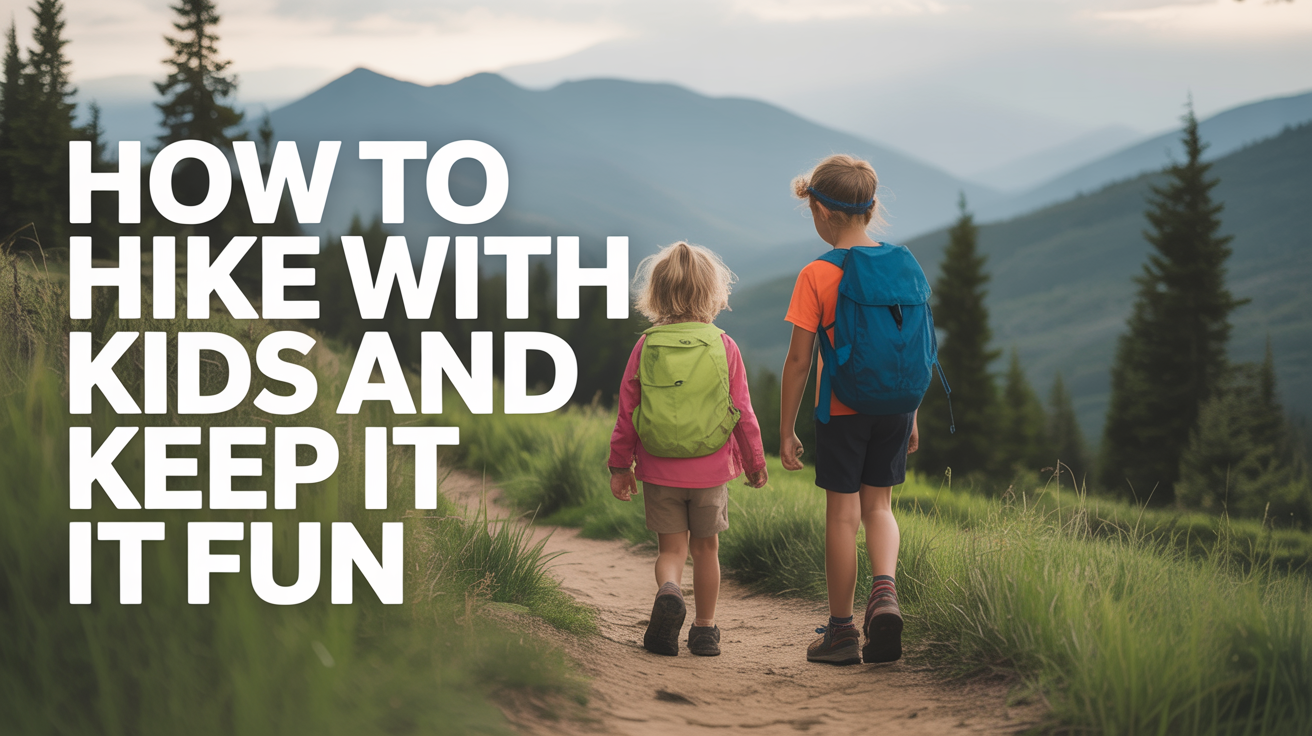
Hiking with kids works best when adults let go of the idea that it's a workout. For children, a trail is a place to turn over rocks, spot bugs, and wade in a creek. Match your expectations to that reality and you will almost always have a good day. Push past it and you will carry a crying five-year-old for the last mile.
The core rule: keep it short, keep it interesting, and build in time to stop.
Picking a Kid-Friendly Trail
Distance on its own is not the best filter. A flat 3-mile loop will be more enjoyable than a 1-mile trail with 600 feet of steep elevation gain. Look for these features when choosing:
- Short total distance. A rough guide by age: toddlers (2-4) max out around 0.5-1 mile; children 5-7 can manage 2-3 miles; kids 8-11 can handle 4-6 miles if the terrain is gentle.
- Elevation gain under 200 feet per mile for most children. Flat is best for first outings.
- A payoff near the trailhead. A waterfall, a big rock to climb, a stream crossing, or an open meadow gives kids a goal and makes the drive worth it in their minds.
- A loop rather than an out-and-back. Children get demoralized turning around. A loop feels like a real adventure with a continuous story.
- Shade and water. Sun exposure adds up fast. A trail with tree cover and a stream to dip hands in is far more tolerable on warm days.
AllTrails filters let you sort by "kid-friendly" and maximum elevation gain. State and local park websites often publish dedicated family trail lists, and rangers at visitor centers know exactly which routes toddlers actually finish.
If this is your family's first trail outing, read through how to start hiking: a complete beginner's guide before picking a destination.
What to Pack for Kids
You will carry more weight than an adult-only trip. That is expected. Break the kid-specific additions into three buckets:
Snacks and hydration Kids burn through energy faster than adults and will not mention they are thirsty until they are already cranky. Pack more food than you think you need and offer it frequently, roughly every 30-45 minutes. Easy hits: crackers, trail mix, fruit pouches, granola bars, cheese sticks. Bring an extra water bottle and set reminders on your phone to drink. For toddlers, a soft-spout water bottle they can manage themselves helps.
Sun and bug protection Sunscreen applied before you start, hats with brims, and a long-sleeve layer packed in a bag. Insect repellent appropriate for the child's age (check label age minimums). A buff or bandana can protect the back of a toddler's neck.
Kid-specific safety and comfort Bandages and antiseptic wipes for scraped knees (they will scrape their knees). A dry pair of socks in a zip-lock bag. A small headlamp per child if there is any chance of the hike running long. A simple whistle on a lanyard for each child old enough to understand when to use it.
For a full checklist of general day-hike gear, see what to bring on a day hike: the ten essentials.
Age and distance quick guide
| Child's age | Realistic trail distance | Pace to plan for |
|---|---|---|
| 2-4 (toddler) | 0.5-1 mile | Very slow; frequent stops |
| 5-7 | 2-3 miles | Slow; expect 45+ min/mile |
| 8-11 | 4-6 miles | Moderate; 35-45 min/mile |
| 12+ | 6-10+ miles | Closer to adult pace |
These are starting points, not rules. Adjust for your child's specific fitness, terrain, and weather.
Carrying Toddlers: Carrier Options
Toddlers under two years old cannot hike independently, and even confident walkers aged 2-4 will poop out before an adult is done. A carrier gives you a backup option and opens up more trail mileage.
Soft structured carriers (SSCs): Brands like Osprey, Deuter, and Kelty make purpose-built child carriers with padded hip belts, an internal frame, and a sun canopy. These distribute a child's weight onto your hips rather than your shoulders, which matters when you are carrying a 28-pound toddler for several miles. Look for a carrier that fits both the child's current weight and your own torso length.
Ergonomic front-carry for infants: If your child is an infant, front-carry carriers (like the Ergobaby or LILLEbaby) work for short walks. They are not designed for technical trail use with a full day pack.
Whatever carrier you use, confirm the child's airway is clear and their chin is not slumped to their chest, and check in on them regularly during the hike. A sleeping toddler in a carrier can slump without you noticing.
Games and Engagement on the Trail
The single biggest predictor of a good family hike is whether the kids feel involved rather than dragged along.
Scavenger hunts. Before the hike, write a list of things to find: a red leaf, a smooth rock, a feather, an animal track, a spider web, a pinecone. Kids as young as three can participate. Laminated cards that get reused across multiple hikes save prep time.
Counting games. Count bridges, creek crossings, birds heard (not seen), or steps between two trees. Keeps attention forward rather than on tired legs.
Give kids a job. Older children (8+) can hold the trail map or app and call out upcoming turns. Younger ones can be the "snack decider" and announce when the group stops to eat.
Nature journaling. A small notebook and a couple of colored pencils add almost no weight. Kids who like to draw can sketch a mushroom or a stone arch rather than keeping pace.
Pace matching. Walk at the speed of the slowest child, not the fastest adult. When parents slow down to look at things alongside kids rather than behind them, children stop feeling rushed and engagement goes up.
Leave No Trace applies to family trips too. Teach children early: stay on the trail, do not move rocks or logs, carry out everything you carry in, and observe wildlife from a distance without feeding or touching.
Safety and Staying Together
Keep the group close. Establish a rule before you start: kids must always be able to see at least one adult. On busy trails this is mostly a matter of keeping pace. On quiet trails it prevents a child from wandering off a switchback.
Trail rules for kids. Go over three things before stepping onto the trail: stay on the path, stop and wait at any trail junction until the whole group arrives, and use the whistle (three blasts) only if you are lost or hurt. Rehearsing these before the hike rather than on it means they actually stick.
Sun and heat. Children overheat faster than adults. On warm days, plan to hike in the morning before midday heat builds. Offer water before kids say they are thirsty. Know the signs of heat exhaustion: pale or flushed skin, excessive sweating, nausea, confusion. If you see those signs, stop hiking, find shade, and cool down before continuing.
Hydration targets. A general starting point: about 4-6 ounces of water per hour for children on the trail, more in hot weather or at elevation. Do not let kids drink from streams without a filter or treatment.
Tell someone your plans. Leave a note at home or with a contact that includes your trailhead, planned route, and expected return time. This applies to every hike but matters more when children are involved and plans might change due to tired legs.
For footwear on uneven terrain, see how to choose hiking boots and shoes. A shoe with ankle support is worth the investment for kids hiking regularly on rocky or rooted trails.
Frequently Asked Questions
What age can kids start hiking? There is no minimum. Infants go in front carriers; toddlers can walk short, flat distances or ride in a framed child carrier. The practical limit is adult patience, not a child's age. Many families take newborns to easy nature paths in carriers from the first weeks.
How do I handle a child who refuses to keep walking? First check the basics: are they hungry, thirsty, or too hot? Offering a snack and a drink fixes most mid-trail meltdowns. If the issue is genuine exhaustion, turn around. A short successful hike is better than a traumatic long one. Do not bribe with screens; that sets a precedent you will regret.
Do kids need hiking boots? For short flat trails, comfortable sneakers work fine. For rockier terrain, rooted trails, or any hike over 3 miles, a low-cut trail shoe with some grip and ankle support helps prevent rolled ankles. Waterproof versions help on muddy or wet trails. Avoid brand-new footwear on the first hike; break shoes in during normal play first.
How do I keep toddlers interested in hiking? Keep it unpredictable and sensory. Let them touch bark, splash a boot in a puddle, throw a pebble in a creek. Structured games (scavenger hunts, counting) help older toddlers (3-4). For young toddlers, the trail itself is the activity. Bring more snacks than you think necessary.
What if a child gets lost on the trail? Teach kids in advance: stop where you are, stay on the trail, blow your whistle three times, and wait for an adult. Adults should stop immediately, call out the child's name, and retrace the last known route before spreading out. If you cannot locate the child within a few minutes, call for help via 911 or alert other hikers.