Camping Gear
How to Choose the Right Cooler for Camping and Car Trips
How to choose a cooler for camping: hard vs. soft sides, ice retention, sizing by group and trip length, and when to skip premium rotomolded coolers.
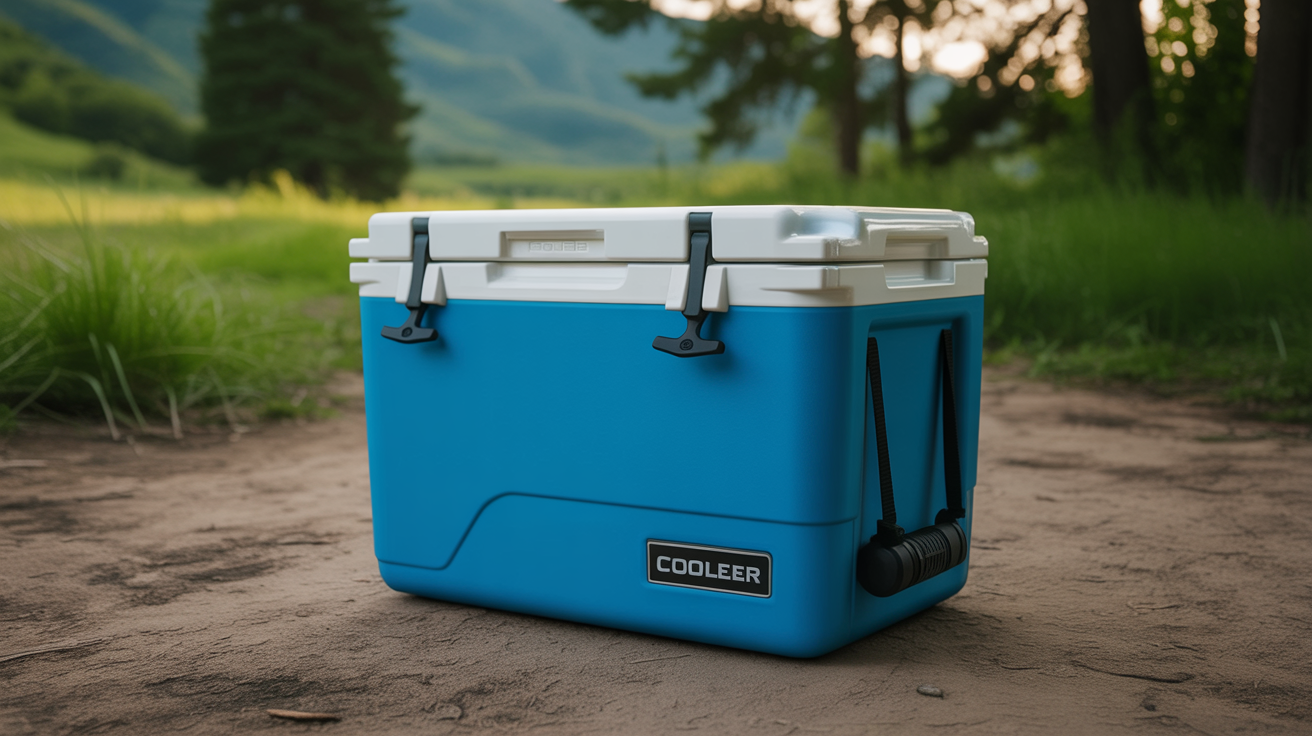
If you've stood in the cooler aisle staring at a wall of boxes ranging from thirty dollars to four hundred, you already know the problem. Figuring out how to choose a cooler for camping isn't about finding the "best" one on some list. It's about matching a cooler to how you actually camp: how many people you feed, how many nights you're out, how hot it gets, and how much you're willing to carry from the car to the site. Get that match right and a cooler lasts a decade. Get it wrong and you either overpay for capacity you never use or end up with warm cheese on day two.
This is a buying guide. If you already own a cooler and want to know how to pack and manage it once you're at the site, that's a different skill covered in our guide to keeping food cold while camping. Here we're focused on the purchase decision itself.
Hard-Sided vs. Soft-Sided Coolers
The first fork in the road is construction. Hard-sided coolers are the rigid box style, usually rotomolded or injection-molded plastic with a lid. Soft-sided coolers look more like an insulated duffel bag, built around foam panels wrapped in a fabric shell.
Hard coolers win on raw cold retention and durability. The thick walls hold more insulation, the lid seals tighter, and a good one doubles as a camp seat or a barrier against a curious raccoon. The tradeoff is weight and bulk: an empty seventy-quart rotomolded cooler can weigh close to thirty pounds before you add a single can of soda, and it takes up the same trunk space whether it's full or half empty.
Soft coolers make more sense for day trips, beach outings, or anyone hiking a short distance from the car to a picnic spot. They collapse flat when empty, weigh a fraction of a hard cooler, and a mid-range soft cooler with a roll-top closure holds ice surprisingly well for a single day. What they don't do well is protect contents from getting crushed, and cheaper soft coolers can develop seam leaks after a season of hard use.
For most beginner campers doing weekend trips by car, a mid-size hard cooler is the more versatile first purchase. Soft coolers earn their keep as a second cooler for drinks and lunches, so you're not opening the main cooler every time someone wants a snack.
How Ice Retention and Insulation Actually Differ
Ice retention comes down to three things: wall thickness, seal quality, and how much thermal mass (ice plus food) you pack relative to the empty air space inside.
Budget coolers, the kind you'll find at a gas station or drugstore, typically use thin walls with less insulating foam and a lid that rests on top rather than compressing against a gasket. They cool fine for an afternoon but lose ice fast once the sun is on them. Mid-range coolers step up wall thickness and usually add a rubber gasket around the lid, which cuts down on the warm air exchange that happens every time you open it. Premium rotomolded coolers push wall thickness further still and often include a freezer-quality gasket and a lid that latches down under pressure, compressing the seal.
The practical difference shows up less on a short trip and more as trips stretch longer or temperatures climb. For a single overnight in mild weather, almost any decent cooler keeps food safe. For a week at a warm-weather site, the gap between a bargain cooler and a well-insulated one becomes obvious, and it's the difference between buying ice once and buying it daily.
A few habits matter as much as the cooler itself: pre-chilling it before you pack it, keeping it in shade, opening the lid as little as possible, and packing it fuller rather than leaving air gaps. Our guide to keeping food cold while camping goes deeper on technique, and our food safety at the campsite guide covers what temperatures matter for perishables.
Sizing a Cooler to Your Group and Trip Length
Cooler capacity is measured in quarts, but quarts don't map cleanly to "how much food." Think instead in meals: how many people, over how many days, plus ice.
As a rough starting point:
| Trip Type | Group Size | Suggested Capacity | Notes |
|---|---|---|---|
| Day trip or overnight | 1 to 2 people | 25 to 35 quarts | Drinks and a couple of meals; a soft cooler often works fine |
| Weekend (2 nights) | 2 to 4 people | 45 to 65 quarts | The sweet spot for most first-time buyers |
| Long weekend to a week | 4 to 6 people | 65 to 100 quarts | Plan on restocking ice partway through for warm weather |
| Extended trip or basecamp | 6 or more people | 100-plus quarts, or a second cooler | Splitting drinks into a separate cooler saves ice in the food cooler |
A common mistake is buying too big. A cooler packed solid actually keeps ice longer than one with lots of empty air space, and a mostly-empty giant cooler just means you paid for capacity and carrying weight you didn't need. If your trips are usually a weekend with a couple of friends, a 45 to 65 quart cooler covers you for years. Save the 100-quart-plus coolers for basecamp trips or family reunions feeding a crowd for several days.
Not sure yet whether you'll camp often enough to justify a real cooler purchase? Our piece on renting camping gear before you buy is worth a read. Renting a larger cooler for one trip is a cheap way to learn your actual capacity needs before spending real money.
Drain Plugs, Latches, and Other Details That Wear Out First
The parts that fail on a cooler are rarely the walls. It's the small hardware.
A drain plug that threads out cleanly, ideally without tools, makes draining meltwater far less annoying than fighting a stuck twist cap. Some also connect to a garden hose thread, handy for rinsing the cooler at a campsite spigot. Check that the plug seals well closed; a slow drip is a slow ice-retention leak too.
Latches matter more than people expect. Simple over-center rubber latches (the kind you push down to lock) are common on mid-range and premium coolers and hold the lid tight enough to compress a gasket. Cheaper coolers often rely on the lid just resting in place, which keeps bugs out but does nothing for the seal. If you're camping anywhere with bears or aggressive raccoons, look for coolers rated wildlife-resistant, which generally require reinforced latches strong enough to resist prying.
Hinges are the other weak point worth a quick check before buying. Plastic hinges on budget coolers can crack after a couple of years outdoors, and it's usually the first part to break.
Budget Coolers vs. Premium Rotomolded: What You're Paying For
A basic cooler in the thirty to sixty dollar range keeps drinks cold for a day trip and food reasonably cold overnight. That's genuinely enough for a lot of beginner camping. Our rundown of essential camping gear for beginners makes the same point about a lot of gear categories: buy the cheap version first and upgrade only once you know you need to.
Where premium rotomolded coolers earn their higher price is longer trips, hot climates, and durability under abuse. Thicker walls and better gaskets extend how long ice lasts before you need to restock. The one-piece shell can handle being used as a stool or occasionally dropped from a truck bed without cracking, and reinforced latches make them genuinely wildlife-resistant in a way cheaper coolers are not.
What you're not necessarily paying for is a dramatically better experience on a mild two-night trip. If your camping is mostly weekends in moderate weather, a solid mid-range cooler performs close enough to a premium one that the price gap is hard to justify. Save the premium purchase for multi-day heat, remote basecamps without easy ice resupply, or areas where a bear-resistant cooler is a real requirement.
Frequently Asked Questions
Do I need a hard-sided cooler for camping, or is soft-sided enough?
It depends on the trip. A soft-sided cooler is fine for day trips, picnics, or a short overnight where you're not relying on it to hold food safely for multiple days. For weekend car camping or anything longer, a hard-sided cooler holds ice longer, resists crushing, and stands up to being used as extra seating or storage.
What size cooler do I need for a weekend camping trip?
For two to four people over two nights, a 45 to 65 quart cooler is usually enough, especially if you pack it full and use a separate small cooler or bag for drinks. Bigger groups or longer trips should size up, but resist the urge to buy far more capacity than you'll regularly use.
Are expensive rotomolded coolers worth the price?
For most casual weekend camping, no, not fully. The bigger gap in ice retention and durability shows up on longer trips, in hot weather, or in bear country where a reinforced cooler is a safety consideration. If your trips are short and mild, a well-reviewed mid-range cooler will do nearly as well for a fraction of the price.
How long should a good camping cooler keep ice?
This varies too much by temperature, lid-opening habits, and how full the cooler is to plan around a specific number of days. Judge a cooler by how it performs relative to others in its price range, and manage your own habits (shade, minimal opening, packing it full) since those affect ice life as much as the cooler itself.